
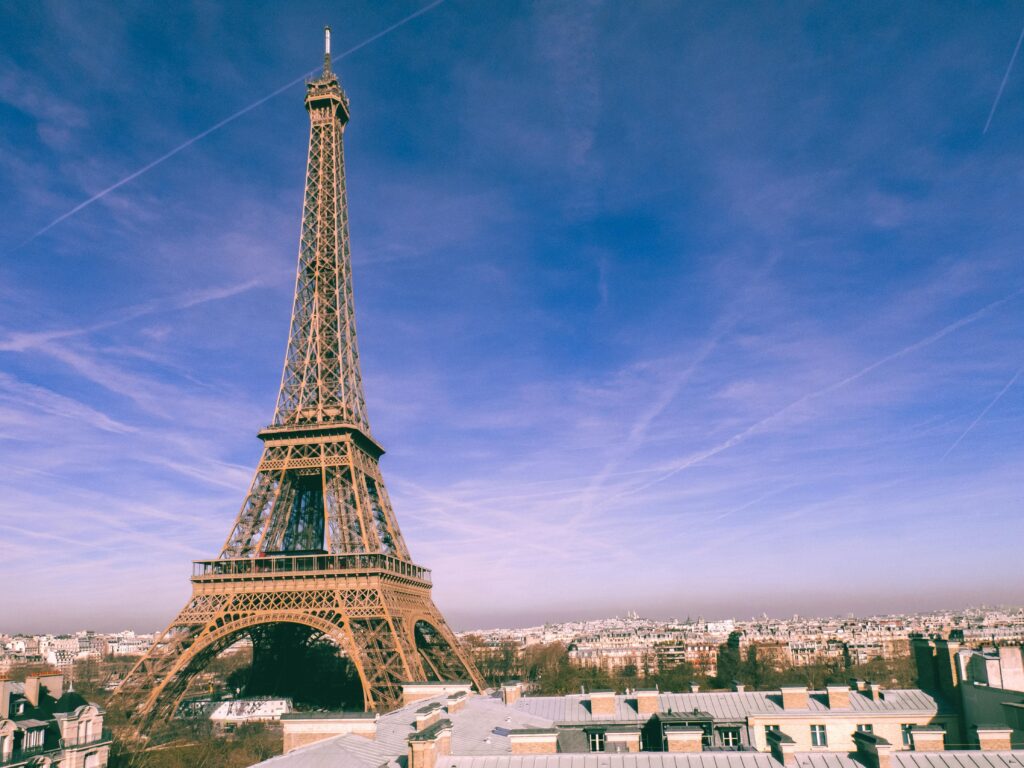
La Tour Eiffel, or the Eiffel Tower, is one of the most famous buildings in the world and a symbol of Paris, France, that will never go out of style. This iron work of art stands tall on the Champ de Mars near the Seine River and gets more than 7 million visitors a year, making it the most popular paid monument in the world. But there is a fascinating story of innovation, controversy, and engineering brilliance behind its stunning beauty.
The Eiffel Tower’s Birth
The Eiffel Tower was built in the late 1800s, when people were getting ready for the 1889 Exposition Universelle (World’s Fair) in Paris to mark the 100th anniversary of the French Revolution. Gustave Eiffel, a brilliant engineer, took on the challenge of building a huge structure to show off France’s industrial strength.
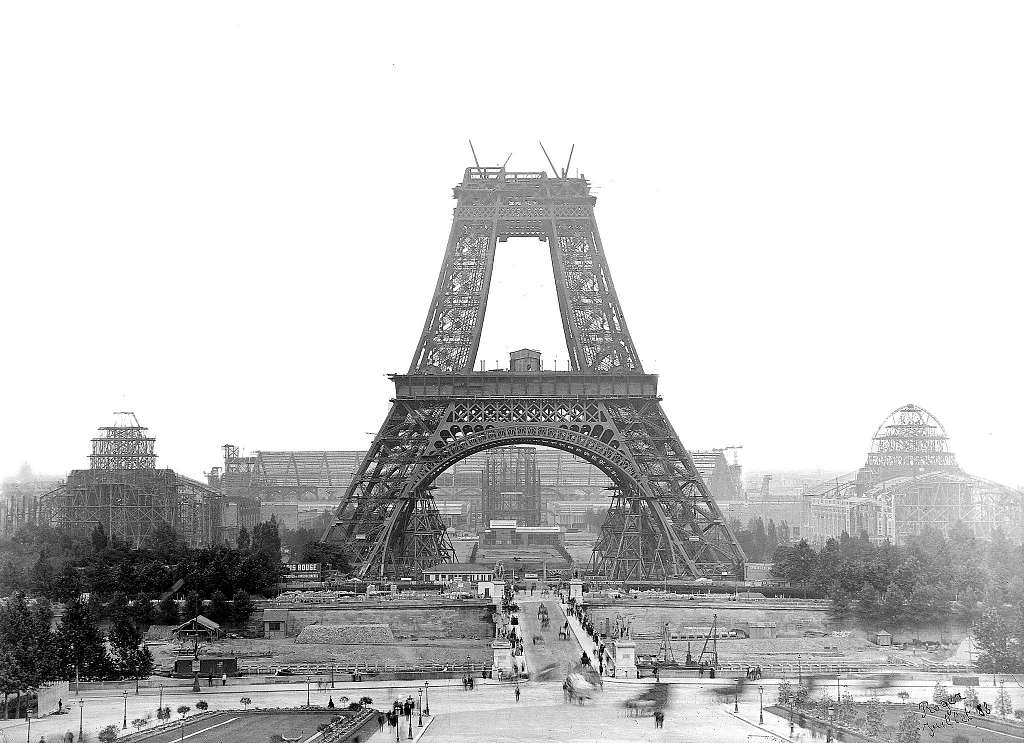
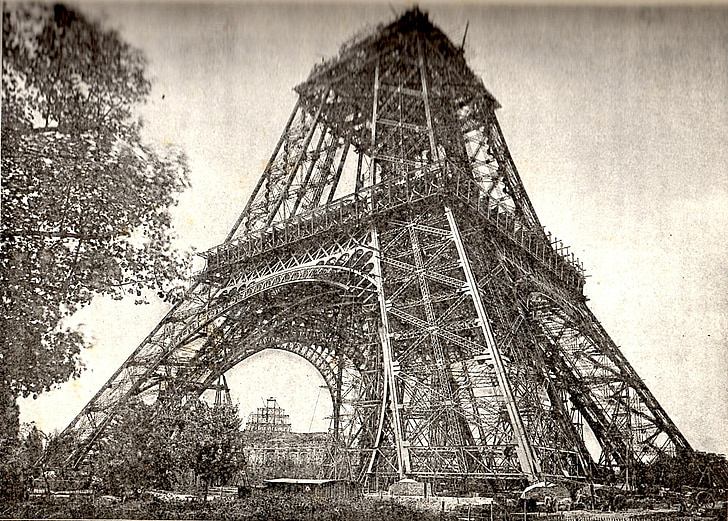
Maurice Koechlin and Émile Nouguier came up with the design, and Eiffel oversaw the building of the tower. It was a groundbreaking example of iron architecture. It took just over two years to build, starting in 1887 and finishing on March 31, 1889. It was the tallest building in the world at the time, standing at 324 meters (1,063 feet) tall. It held that record for more than 40 years.
Criticism and Controversy
Not everyone liked the Eiffel Tower when it was first shown to the public. A lot of Parisian artists and intellectuals called it an eyesore and a “monstrous construction.” Some people said it ruined the beauty of the Paris skyline. But over time, the tower became more and more popular and eventually became a well-known symbol of French art, culture, and progress.
Design and Engineering Marvel
The way the Eiffel Tower was built was new and different. It weighs about 10,100 tons and is made of wrought iron. It has more than 18,000 individual metal parts that are held together by 2.5 million rivets. The open-lattice design lets it stand up to strong winds while keeping its surprisingly light frame. Eiffel’s engineering is shown by how the tower slightly expands in the summer heat and shrinks in the winter cold.
Changes Over the Years
The Eiffel Tower was only supposed to stand for 20 years, but it was saved from being torn down when it turned out to be useful as a military radio transmission tower. Over the years, it has been updated with elevators, lighting systems, and observation decks that give you amazing views of Paris from all sides.
Every night, the tower shines with 20,000 twinkling lights, making it one of the most beautiful things to see in the world.
Eiffel Tower Today: A Global Icon
The Eiffel Tower is more than just a tourist spot; it stands for art, engineering, and love. It still gets millions of visitors every year, is used as a backdrop for movies, and is still a major place for events and celebrations in France. The tower is also a place where scientists do experiments, radio shows, and cultural shows.
Facts About the Eiffel Tower
- The whole building needs 60 tons of paint to cover it.
- To keep it from rusting, the tower gets a new coat of paint every seven years.
- At the top of the tower, Gustave Eiffel had his own apartment.
- The elevators in the tower go about 103,000 km each year.
- Hitler ordered the tower to be destroyed during World War II, but the order was never followed.
Conclusion: A work of art that will last forever
The Eiffel Tower is a sign of how creative, determined, and forward-thinking people can be. Its journey from being criticized to becoming the heart of Paris is similar to how modern architecture and French pride have changed over time. The tower still makes people gasp and admire it, whether they see it in person or in pictures. This shows that real beauty lasts.