
In the winter of 1989, when the Iron Curtain fell across Eastern Europe, the brutal dictatorship of Nicolae Ceaușescu in Romania stood in its way. The fall of the Ceaușescu regime was a violent, movie-like explosion of public anger, unlike the relatively peaceful changes in Poland or Czechoslovakia. The execution of Nicolae and Elena Ceaușescu on Christmas Day was the end of all this chaos. It is still one of the most controversial and important events in 20th-century history. The picture of the fallen “Genius of the Carpathians” was the final nail in the coffin for 42 years of Communist rule in Romania for millions of people.
The Beginning of the Revolution in Timișoara
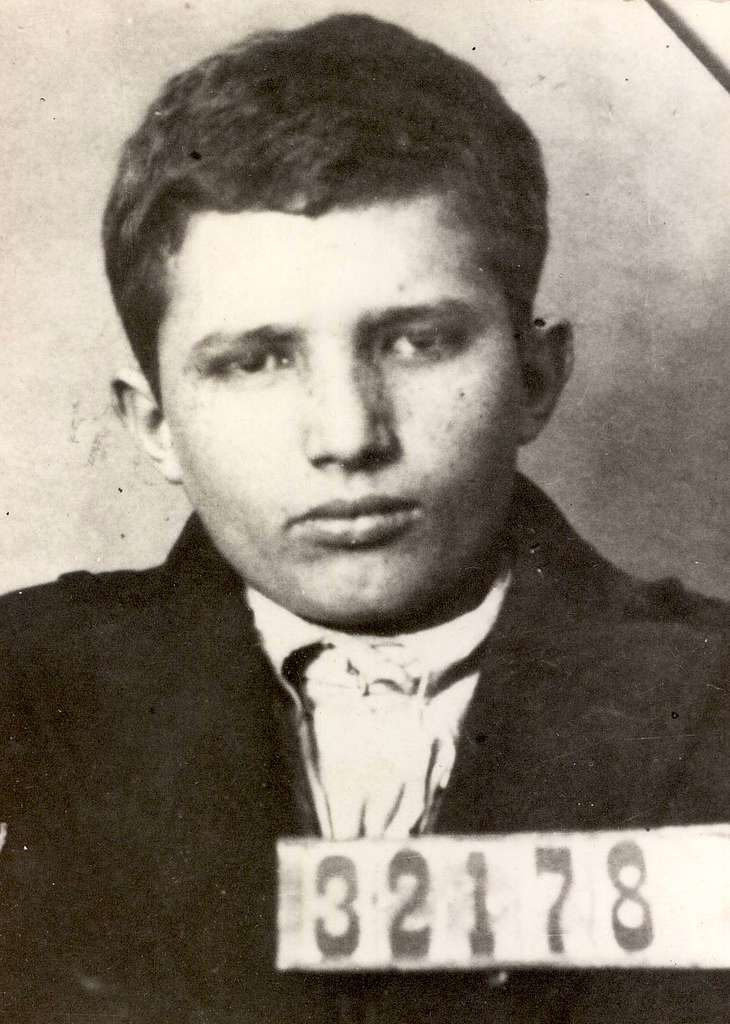
The path to the firing squad didn’t start in Bucharest, the capital, but in Timișoara, a city in the west, on December 16, 1989. When the government tried to kick out Laszlo Tőkés, a Hungarian Reformed Church pastor who had spoken out against the regime, there were protests. What began as a small meeting of church members quickly turned into a city-wide protest against communism. Ceaușescu made a deadly mistake when he told his security forces and the army to shoot at civilians.
By the time the violence got to Bucharest a few days later, hundreds of people had already died. Ceaușescu tried to get back in charge on December 21 by organizing a big rally in front of the Central Committee building. He was expecting the usual choreographed applause, but instead he heard boos, whistles, and chants of “Timișoara!” The look of shock on his face, which was caught on live TV, told the whole country that the “Conducător” (The Leader) was no longer untouchable.
The Big Escape and Capture
On the morning of December 22, hundreds of thousands of protesters filled the Central Committee building. Nicolae and Elena Ceaușescu left Bucharest by helicopter from the roof of the building. This last-ditch effort to get away meant the end of their power. But their escape didn’t last long. At first, the army shot at protesters, but then a lot of them switched sides and joined the revolution.
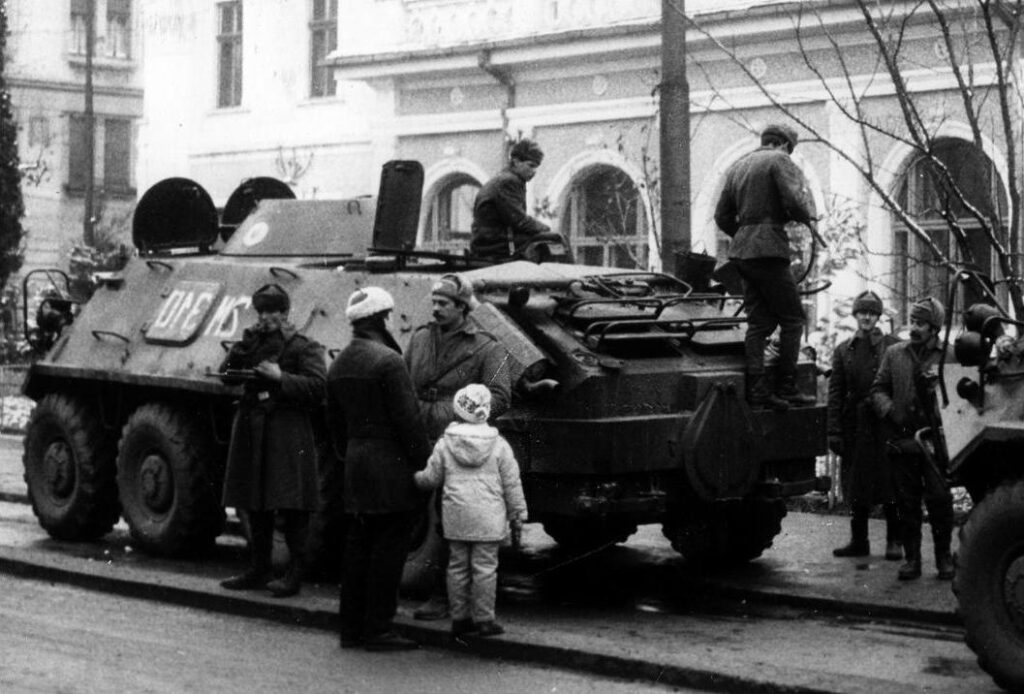
The military told the helicopter pilot to land the couple near Târgoviște, which is about 50 miles from the capital. After trying to steal civilian cars to keep flying, the Ceaușescus were finally caught by the police and taken to the local military base. The most powerful couple in Romania was kept in a small, bare room in a military barracks for three days while the newly formed National Salvation Front (FSN) decided what to do with them.
The Extraordinary Military Tribunal
On December 25, 1989, Christmas Day, an emergency Exceptional Military Tribunal was set up to put Nicolae and Elena on trial. The proceedings were not at all like a normal legal process. The trial took place in the same barracks where they were being held and lasted about an hour. The charges were huge: genocide (with a claimed 60,000 victims), undermining the power of the state, and ruining the economy of the country.
Nicolae Ceaușescu refused to accept the court’s authority during the trial and kept saying that he would only answer to the Grand National Assembly. He called the judges “traitors” and “foreign agents.” Elena was just as defiant, arguing with the prosecutors and saying that she had done everything for “her people.” Even though the charges were serious, no evidence was formally presented, and the defense lawyers acted more like prosecutors than anything else. The outcome was clear: death by firing squad.
The Death at Târgoviște
The sentence had to be carried out right away. The couple’s hands were tied behind their backs just minutes after the verdict was read. They were very upset about this because they wanted to die together and free. They were taken outside to the barracks courtyard. Reports say that Nicolae Ceaușescu sang the “Internationale” and yelled, “Death to the traitors!” while they were standing against a wall. “History will get back at me!”
The firing squad, made up of elite paratroopers who had volunteered for the job, didn’t wait for the official order to fire. At 2:50 p.m. local time, a hail of bullets from AK-47 rifles hit the couple, killing them right away. The execution happened so quickly that the TV crew who were supposed to film it missed the first shots. They only got pictures of the couple’s bodies lying in the dust after the smoke cleared.
Legacy and Modern Thoughts
The execution of the Ceaușescus is still a hot topic in Romania. Most people were happy that the dictatorship was over, but many legal experts and historians say that the “drumhead” trial was a joke of a trial that didn’t follow the rules. Some people say that the leaders of the National Salvation Front rushed the execution so that the couple wouldn’t be able to tell the public about the new government’s ties to the old Communist regime.
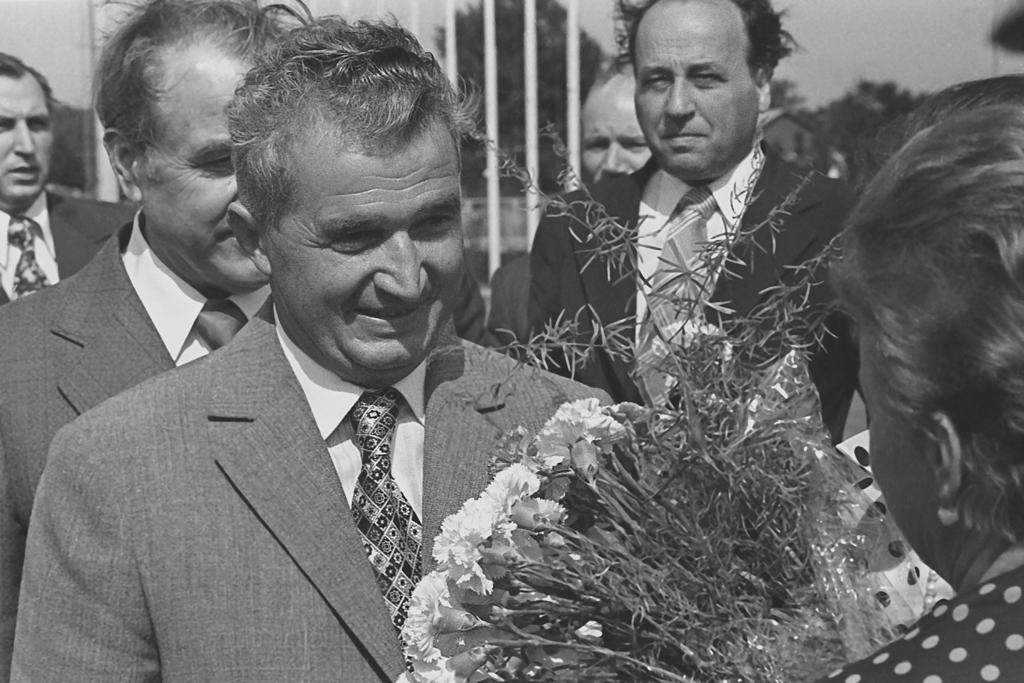
The military base in Târgoviște is now a museum where people can see the small room where the trial took place and the wall where the dictator died, which still has bullet holes in it. The Romanian Revolution was the only violent overthrow of a Communist government in the Eastern Bloc in 1989. The fact that it ended on Christmas Day is a chilling reminder of how quickly the people can take away absolute power.