
Introduction
The Atacama Desert is the driest non-polar desert in the world. It runs along Chile’s Pacific coast. This amazing area has landscapes that look more like Mars than Earth. It has beautiful salt flats, colorful lagoons, geysers, and rock formations that look like they came from another world. The Atacama is very dry, but it is full of interesting plants and animals, as well as cultural and scientific importance.
A Natural Wonder of the World
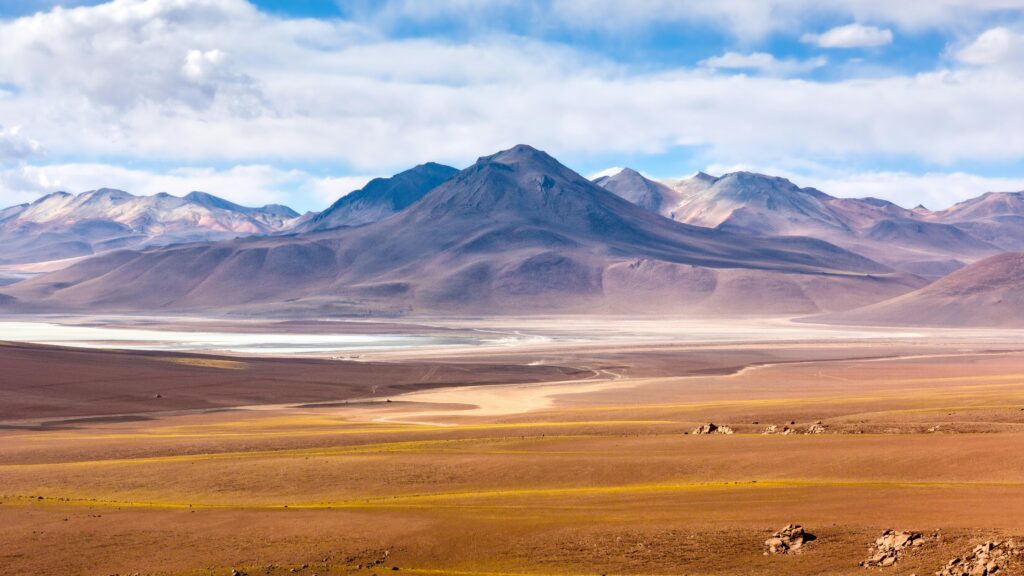
The Atacama Desert is about 1,000 kilometers (600 miles) long and lies between the Andes Mountains and the Chilean Coast Range. Some parts of the desert haven’t had any measurable rain in over 400 years, which makes it an extreme case of hyper-aridity. The land is unique because it was shaped by wind and volcanic activity. It has amazing views, from huge sand dunes to salt lagoons full of flamingos.
Geography and Weather
The Atacama Desert is very dry because of cold ocean currents, high pressure systems, and rain shadows from mountains. It is located between 19° and 25° South latitude. The temperature can change a lot from day to night, going from very hot to very cold in a matter of hours.
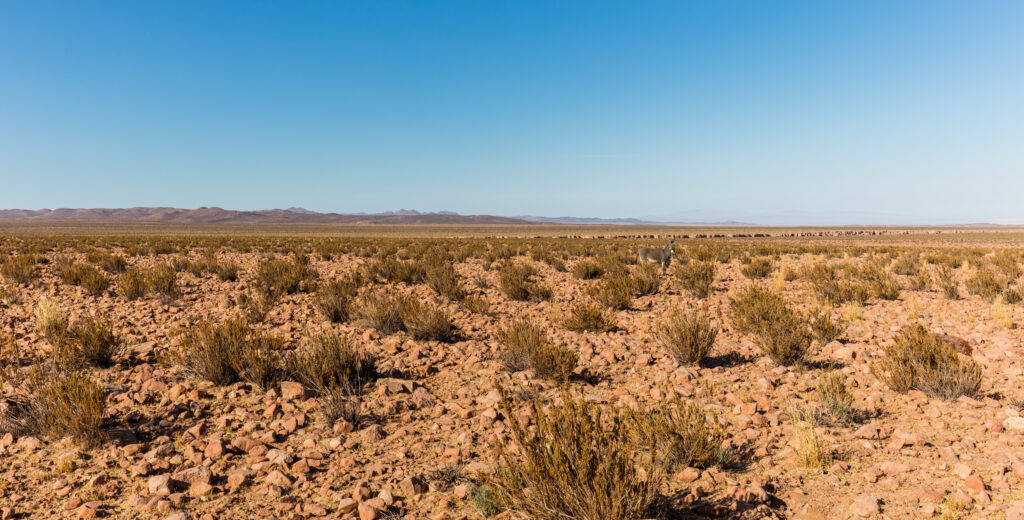
NASA has even tested its Mars Rover missions in this desert because its soil and climate are very similar to those on Mars.
Life Finds a Way
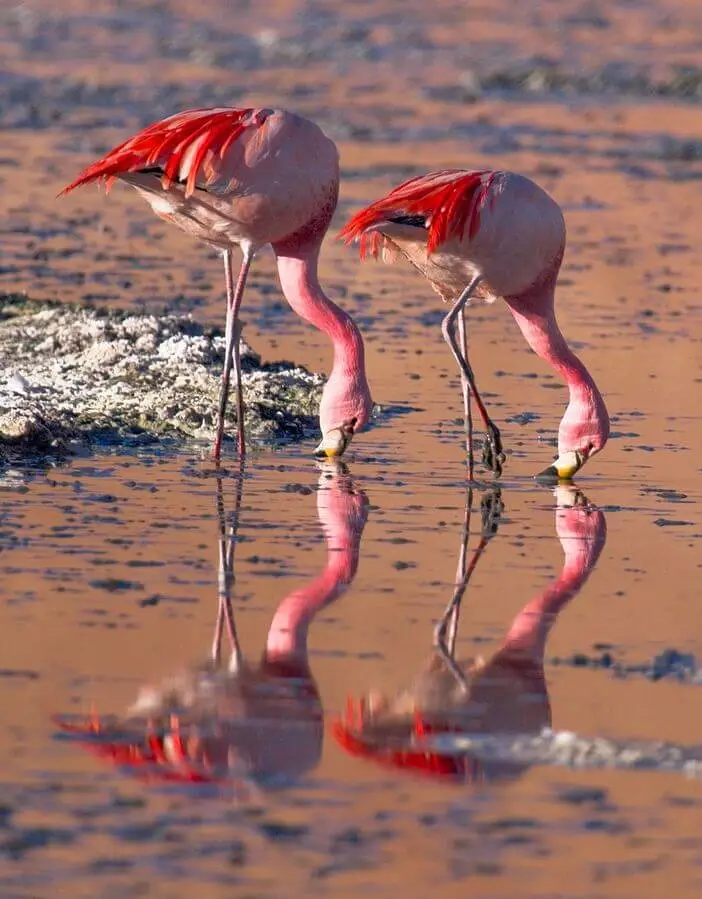
Life thrives in surprising ways, even though this is one of the most inhospitable places on Earth. Microorganisms, lichens, and certain plants have learned to live with very little water. There are also vicunas, flamingos, and Andean foxes that live in the desert. The Atacama is an ecological wonder because these species have adapted to live in the region’s harsh conditions.
Cultural and Historical Importance
The Atacameño people, also known as the Lickan Antay, have lived in the desert for hundreds of years. They have developed rich traditions that are connected to nature and the stars. There are also ancient petroglyphs and Incan trails in the area, which give us a look at South America’s history before Columbus.
A place for tourists and stargazers
People from all over the world come to the Atacama Desert today. San Pedro de Atacama is a good place to stay if you want to see places like Valle de la Luna (Moon Valley), El Tatio Geysers, and Laguna Cejar.
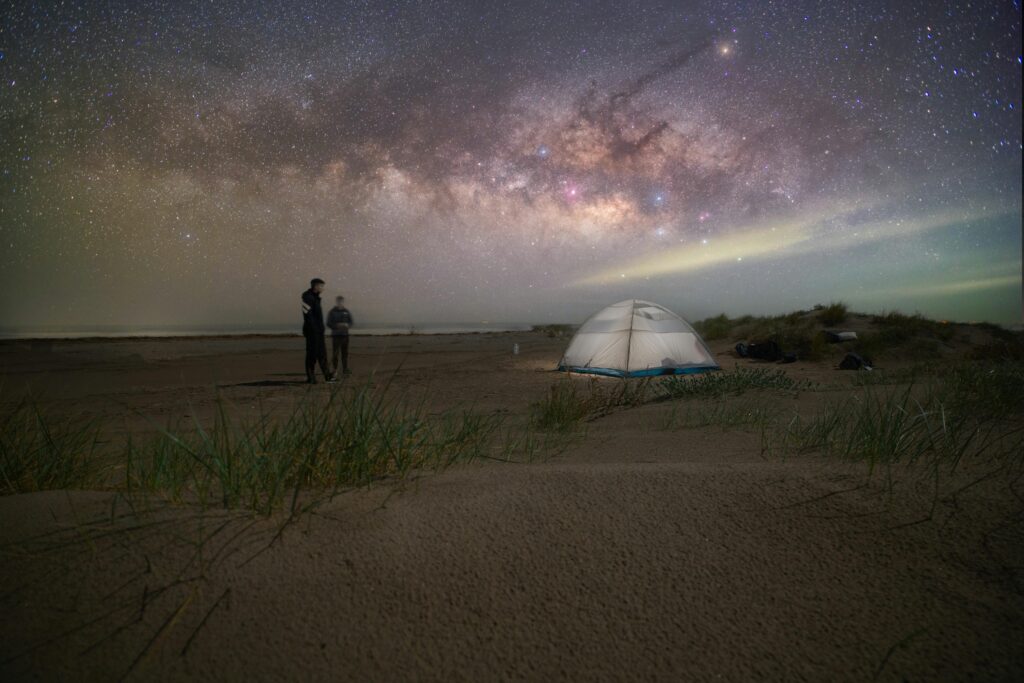
The Atacama is one of the best places in the world to see stars because the skies are clear and there isn’t much light pollution. It is home to powerful observatories like ALMA (Atacama Large Millimeter/sub-millimeter Array).
In conclusion
The Atacama Desert is more than just a dry place; it’s a living lab, a cultural treasure, and a natural wonder. The Atacama is still one of the most interesting places on Earth for scientists, adventurers, and dreamers. Its terrain is like Mars, and its night skies are beautiful.