
Introduction
The Golden Temple is a beautiful example of Sikh architecture and spiritual devotion. It is located in the busy city of Amritsar in the northwestern Indian state of Punjab. This holy shrine, also called Sri Harmandir Sahib or Darbar Sahib, is very important to millions of people around the world. People from all walks of life come to see its stunning beauty and peace.
History
The Golden Temple has a long history. Guru Nanak Dev Ji, the founder of Sikhism, visited the place for the first time in the 16th century. Over the years, different Sikh Gurus worked on the shrine, and Guru Arjan Dev Ji, the fifth Sikh Guru, oversaw the building of the current monument. The Golden Temple, which was finished in 1604, is a symbol of the Sikh community’s spiritual and cultural legacy.
More than a Worship Place
The Golden Temple means more than just a place of worship; it stands for the values of service, equality, and inclusion. People of all faiths and backgrounds are welcome within, which is in line with the Sikh belief of “Sarbat da Bhala” (welfare of all). Visitors are welcomed with open arms, free meals, and a sense of belonging, which creates a peaceful and unified space where people of many backgrounds can live together.
Architectural Wonder
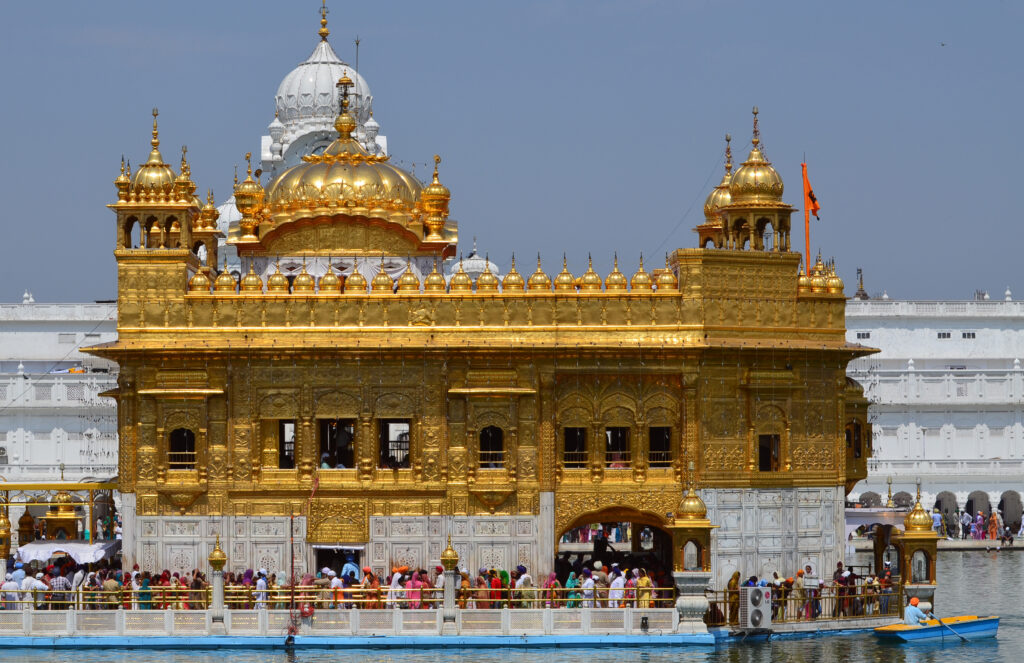
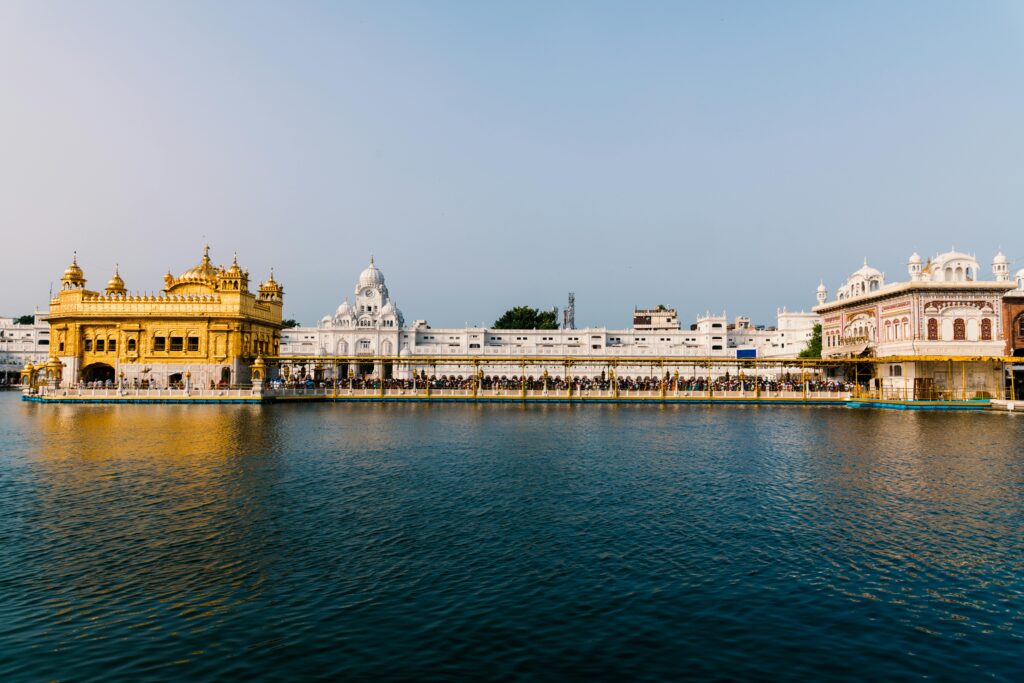
The Golden Temple’s stunning architecture is a sight to behold, and its beautiful design and craftsmanship will leave you speechless. The main shrine, which is covered in shiny gold leaf, rises magnificently from the center of the Amrit Sarovar (Pool of Nectar). This represents the perpetual connection between people and the divine. The shiny golden dome, the walls made of elaborately carved marble, and the pool that reflects the light all give off a calming and respectful feeling.
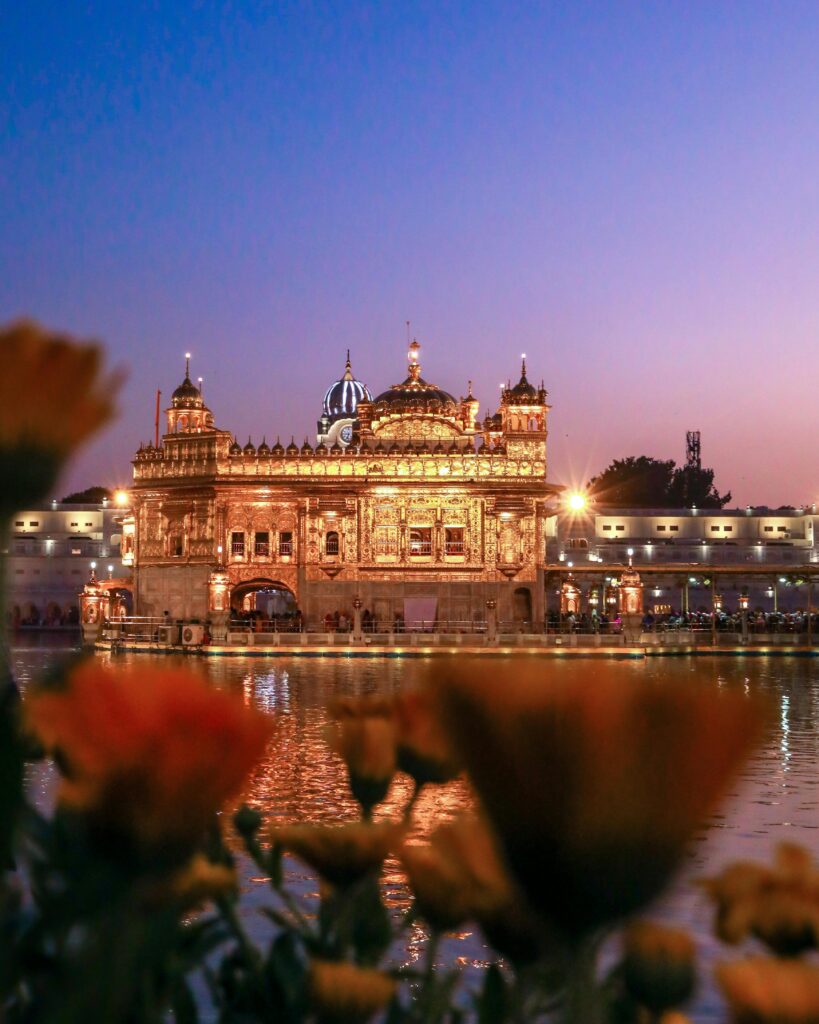
There are wide marble walkways and intricately sculpted colonnades around the main building, giving people plenty of room to think and worship. The four doors of the Golden Temple show how open and friendly the Sikh faith is. People from all over are welcome to come and enjoy its spiritual offerings. When the sun goes down, the temple lights up, creating a beautiful glow that moves people and fills them with wonder.
Visiting the Golden Temple
Visiting the Golden Temple is more than simply a tourist trip; it is a deep spiritual journey that penetrates the depths of your soul. As soon as someone steps into the holy space, they feel a sense of serenity and calm wash over them, taking them to a place of spiritual growth and self-reflection. The beautiful lyrics of the Guru Granth Sahib, the holy book of Sikhism, can be heard all across the complex. They make the place feel like a place of worship and devotion.
The langar, or community kitchen, is a great way to experience the spirit of seva (selfless service) in Sikhism. No matter what caste, religion, or social rank someone has, they are all welcome to eat a meal made with love and humility. This shows the ideals of equality and kindness. Washing one’s feet before entering the temple is a way to clear the mind and spirit and get ready for a holy meeting with God.
Conclusion
The Golden Temple is a symbol of hope, peace, and unity in a world that is often divided and broken. The Sikh faith teaches love, compassion, and service to others. The building’s glittering exterior and spiritual aura are reminders of these virtues. As pilgrims and visitors continue to come to this holy shrine, may they find comfort, inspiration, and enlightenment in its sacred halls. This will strengthen their trust in the goodwill of people and the power of divine grace.