
The Great Blizzard of 1888, which is also called the Great White Hurricane, is still one of the worst blizzards in American history. From March 11 to March 14, 1888, the storm hit the northeastern United States. It brought record-breaking snow, hurricane-force winds, and freezing temperatures that destroyed cities and rural areas alike. For decades to come, this famous snowstorm changed the way America built its roads, communicated, and planned for emergencies.
The start of the Great Blizzard
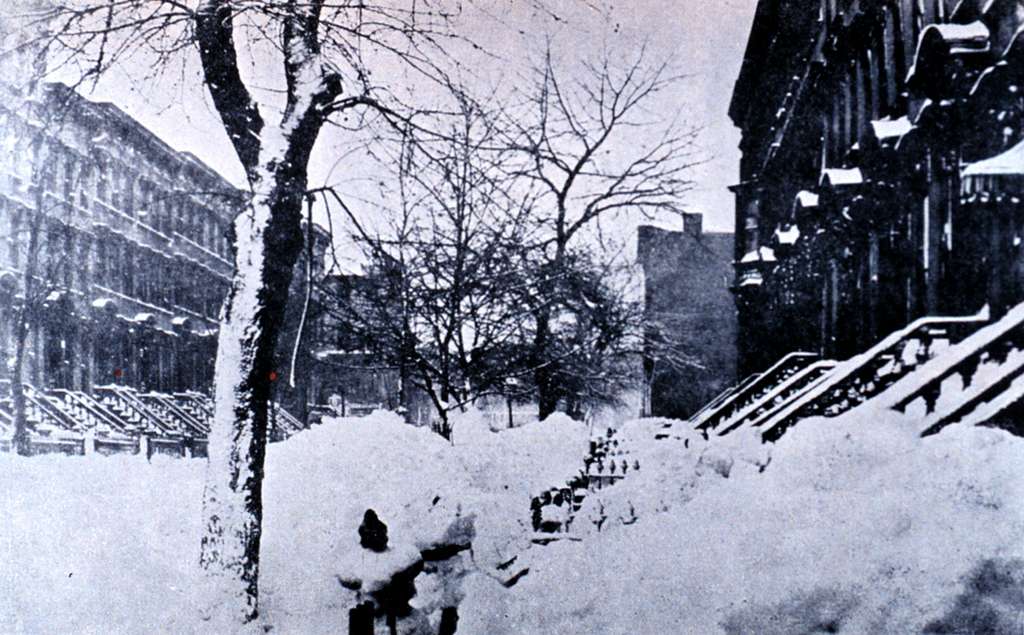
The blizzard started out of nowhere when two weather systems off the Atlantic coast came together. A light rainstorm quickly turned into a strong snowstorm that kept millions of people inside. Temperatures dropped in New York City, Boston, and Philadelphia, and winds over 80 miles per hour made snowdrifts as high as 50 feet. The storm stopped all travel in the northeastern states, from Maine to the Chesapeake Bay.
Destruction in the Northeast
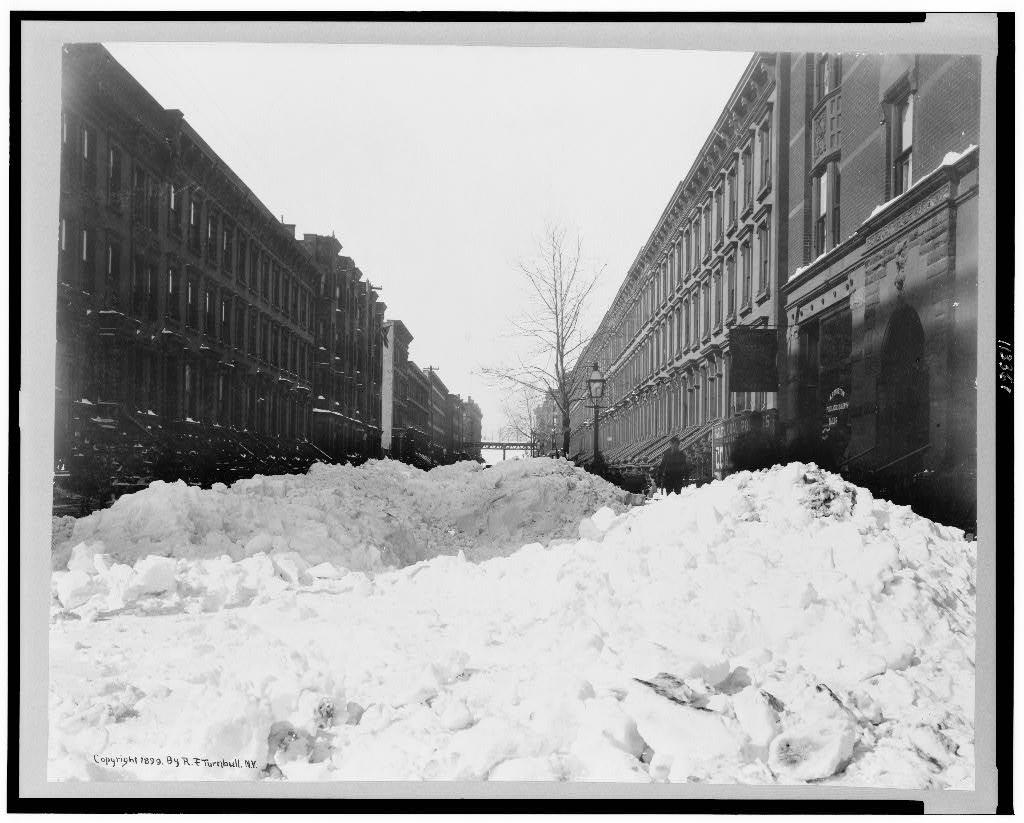
The Great Blizzard of 1888 killed over 400 people, 200 of them in New York City. Thousands of people were stuck on trains, carriages, and even ferries that froze while they were on their way. Telegraph lines, which were the main way people talked to each other in the 1800s, were torn down, cutting off cities completely. People had to dig tunnels to get from one building to another because the streets were covered in snow.
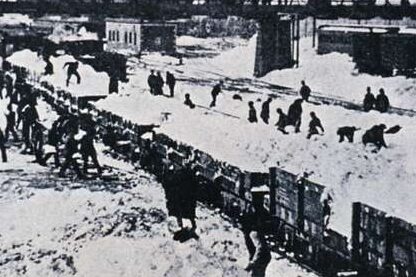
In some areas, the snow was so deep that it reached the second floor of houses, and thousands of animals died. The strong winds, ice, and snow together made a whiteout so bad that you couldn’t see anything for hours at a time.
The Blizzard’s Effect on American Infrastructure
The disaster showed how weak the country’s infrastructure really is. After the disaster, big cities started putting their telegraph and electrical wires underground, which made the systems safer and more reliable. The storm also sped up the building of the New York City subway system, which was partly built to make sure that people could still get around during bad weather.
A Change in the Weather History of the U.S.
The Great Blizzard of 1888 changed how Americans thought about natural disasters for good. It led to the development of more accurate weather forecasting systems and encouraged people to put money into emergency management and city planning. The storm’s aftermath is a powerful reminder of how strong nature can be and how important it is to be ready for extreme weather events.
Conclusion
The Great Blizzard of 1888 is still an important event in U.S. history more than a hundred years later. It was a storm that tested people’s strength and changed the way we build things today. Its lessons are still relevant today, as climate change makes extreme weather events happen more often around the world. This historic snowstorm makes us remember that we always need to be ready, be creative, and respect the power of nature.