
Open a history textbook and you’ll meet the same names over and over: Einstein, Edison, Churchill, Newton. Flip a few pages further, though — or dig into the footnotes — and you’ll find women who invented, discovered, and sacrificed just as much, yet vanished from the story. Their credit was stolen, their names left off patents, or their work quietly folded into someone else’s legacy.
These are the forgotten women in history who changed the world without ever getting the recognition they earned. Here are five of their stories — and why they still matter.
Why So Many Women Were Erased From History
For most of modern history, women couldn’t hold patents under their own names, join scientific societies, or publish research without a male sponsor. Universities barred them. Journals ignored them. When a woman made a breakthrough, it was common for a husband, boss, or colleague to take the credit — sometimes deliberately, sometimes simply because no one thought to ask who actually did the work.
Rediscovering these women isn’t just about fairness. It’s about getting the history right.
5 Forgotten Women in History Who Changed the World
Hedy Lamarr — The Actress Who Invented Wi-Fi’s Ancestor
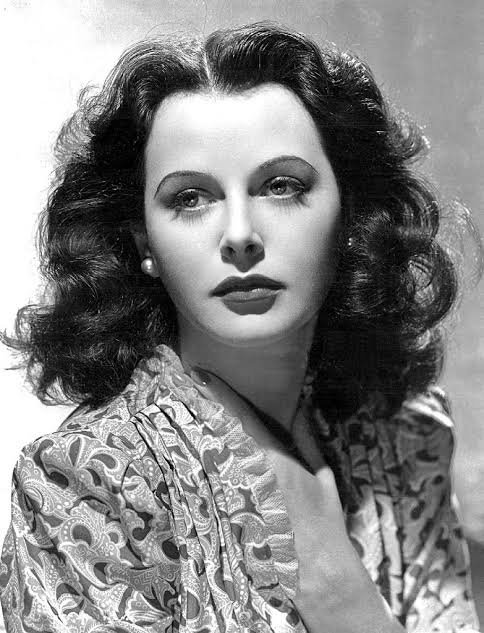
Hedy Lamarr was one of Hollywood’s biggest stars in the 1940s — and, in her spare time, an inventor. With composer George Antheil, she co-developed “frequency hopping,” a way to jump radio signals across channels so enemies couldn’t jam them, originally meant to guide torpedoes. The Navy shelved it. Decades later, that same idea became the technical backbone of Wi-Fi, Bluetooth, and GPS. She wasn’t inducted into the National Inventors Hall of Fame until 2014 — 15 years after her death.
Mary Anning — The Fossil Hunter Who Rewrote Earth’s History
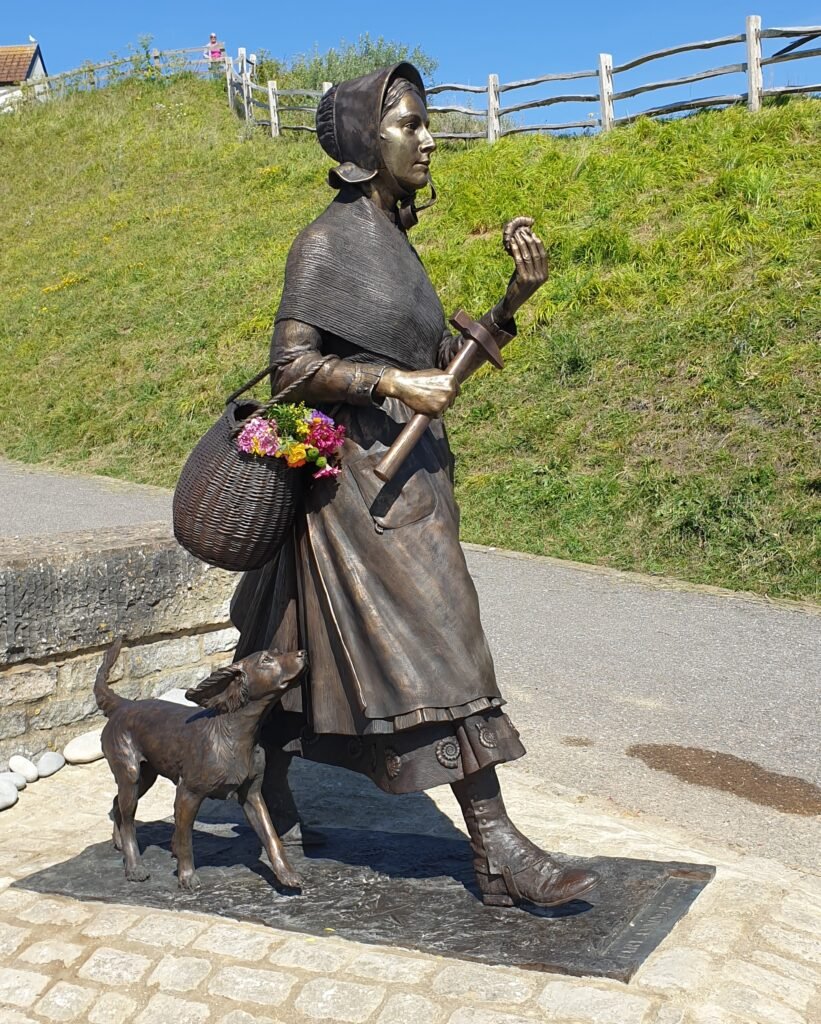
In the early 1800s, a working-class girl in Lyme Regis, England, was unearthing fossils that would upend how scientists understood life on Earth. At just 12, Mary Anning discovered the first complete ichthyosaur skeleton, later finding plesiosaurs and pterosaurs that helped found the field of paleontology. Because she was a woman, the Geological Society of London wouldn’t let her join — even as male geologists bought her fossils and published papers under their own names.
Alice Ball — The Chemist Who Cured Leprosy at 23
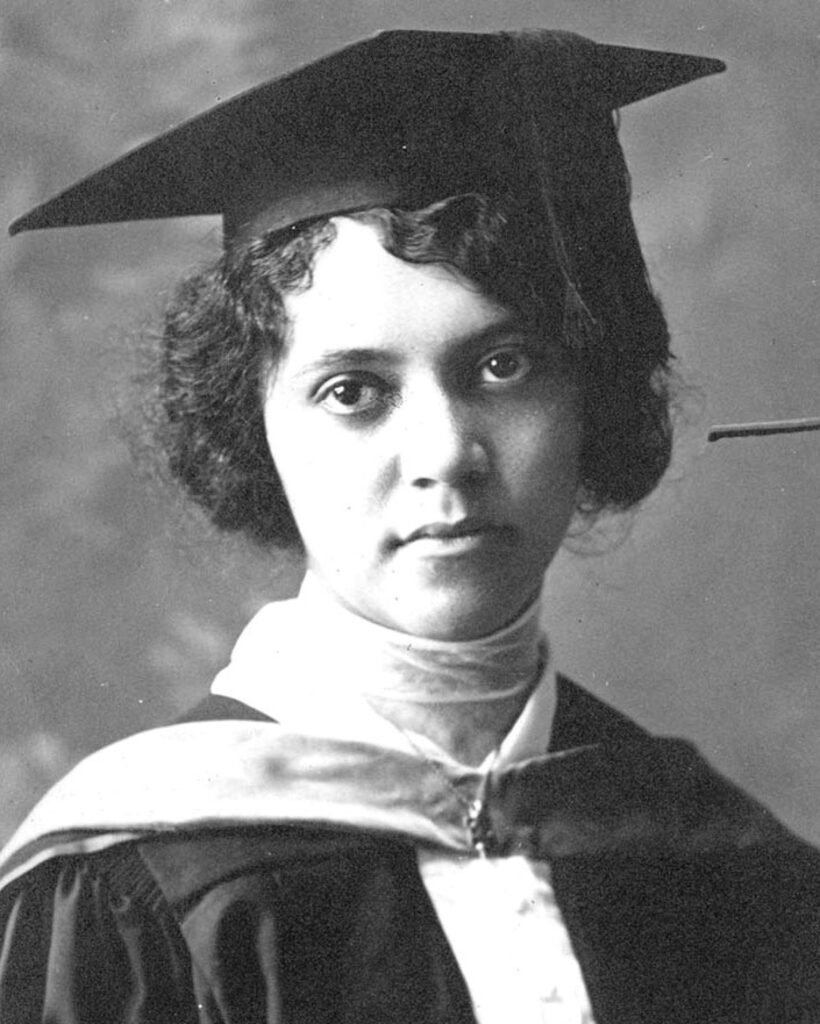
Alice Ball was a 23-year-old chemist at the University of Hawaii when she developed the first effective treatment for leprosy (Hansen’s disease), turning chaulmoogra oil — too thick to inject on its own — into a usable injectable compound. She died a year later, before publishing her findings. The university president took her research, renamed it the “Dean Method,” and claimed it as his own. It took nearly 90 years for the university to formally credit her.
Noor Inayat Khan — The Spy Princess of WWII
Noor Inayat Khan was a children’s author and descendant of Indian royalty who became the first female radio operator dropped into Nazi-occupied France. When the rest of her spy network was captured, she stayed behind, running the entire Paris radio circuit alone for weeks. She was eventually caught, tortured, and executed at Dachau in 1944 — without ever giving up a single secret. Britain posthumously awarded her the George Cross.
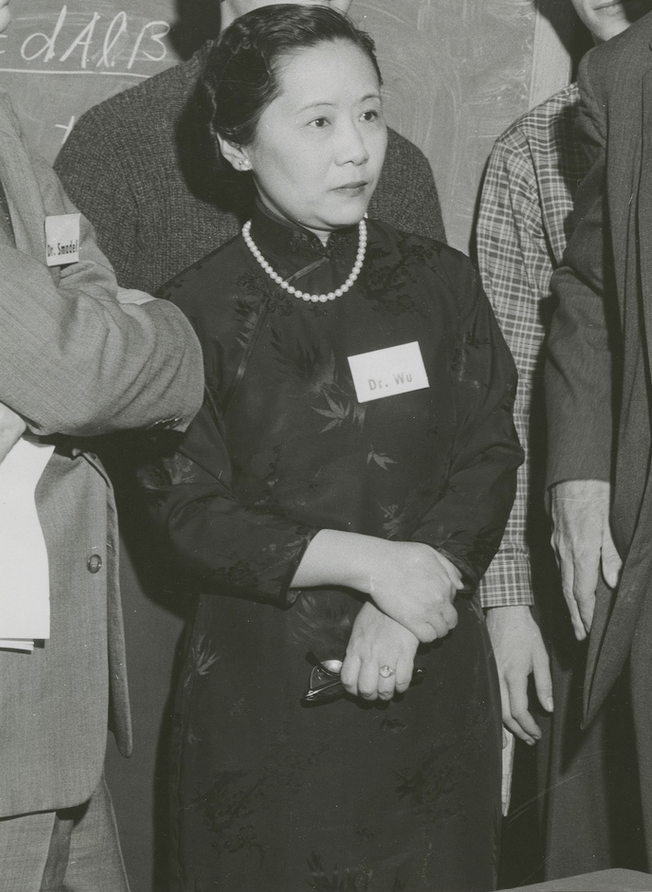
Wu Chien-Shiung — The Physicist Who Broke the Laws of Physics
Wu Chien-Shiung helped develop the uranium-enrichment process for the Manhattan Project. In 1956, her experiment disproved the long-held law of conservation of parity, reshaping particle physics. The theorists who proposed the idea, Tsung-Dao Lee and Chen-Ning Yang, won the Nobel Prize in 1957. Wu — whose experiment proved them right — was left off the award entirely.
Why These Stories Still Matter
These women weren’t footnotes — they were the reason entire fields moved forward. Telling their stories does more than correct the record; it shows the next generation of scientists, engineers, and leaders that contributions get remembered when we choose to remember them. Today’s gender gap in STEM has roots in exactly this kind of erasure, and closing it starts with knowing who actually did the work.
Final Thoughts
History wasn’t written by everyone who shaped it — it was written by whoever got to hold the pen. Hedy Lamarr, Mary Anning, Alice Ball, Noor Inayat Khan, and Wu Chien-Shiung all changed the world in ways we still benefit from today. The least we can do is say their names.