
Brush your teeth, check the date, and lock the front door, and you’ve already used a few ancient Egyptian inventions before breakfast. More than 4,000 years ago, people living along the Nile solved everyday problems so well that their answers are still part of modern life.
Below are 10 things the ancient Egyptians invented or refined, how each one worked, and where you can still see its influence today.
Why Ancient Egyptian Technology Was So Advanced
Life in Egypt revolved around the Nile. Its yearly flood brought rich soil, but it also erased field boundaries and required careful planning. That pressure explains why so many ancient Egyptian inventions were practical tools for measuring time, keeping records, and staying healthy. Trained scribes and a strong central government then turned those ideas into lasting systems.
Writing Inventions That Changed Record-Keeping
1. Papyrus: The Ancestor of Paper
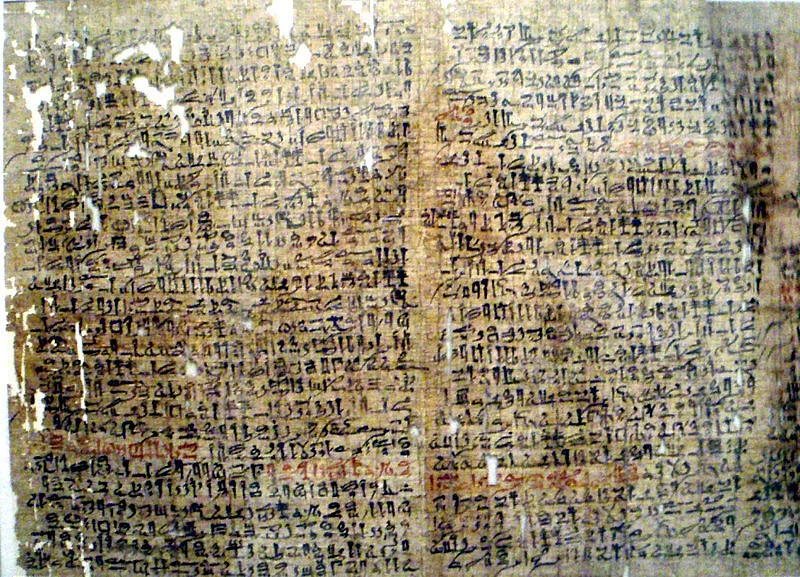
Around 3000 BCE, Egyptians began turning papyrus reeds into writing sheets. They cut the stalks into thin strips, laid them in crossing layers, and pressed them until the plant’s natural sap bonded them together. The result was light, portable, and easy to roll into scrolls. Even the English word “paper” comes from “papyrus.”
2. Black and Red Ink
Scribes mixed soot with plant gum to make black ink cakes that worked much like a modern watercolor set: you just added water. They used red ochre ink to mark headings and key points. That habit of highlighting important text in red lasted for centuries and gave us the word “rubric,” from the Latin for red ochre.
Ancient Egyptian Inventions That Organize Our Time
3. The 365-Day Calendar
Farmers needed to predict the Nile flood, so Egyptian astronomers created a civil calendar of 12 months with 30 days each, plus five extra days at the end of the year. When Julius Caesar reformed Rome’s calendar in 46 BCE, he drew on this Egyptian model. His Julian calendar later evolved into the Gregorian calendar most of the world uses today.
4. The 24-Hour Day
The Egyptians divided daytime and nighttime into 12 parts each, which gave us the 24-hour day. They tracked hours with shadow clocks during the day and water clocks at night. One of the oldest surviving water clocks, from around 1400 BCE, was found at the Temple of Karnak. Their hours stretched and shrank with the seasons, but the 24-part structure stuck.
Ancient Egyptian Medicine and Beauty Breakthroughs
5. Toothpaste and Dental Care
Sand and grit in Egyptian bread wore down teeth, so dental care mattered. Egyptians were among the first people known to use tooth-cleaning powders, and a papyrus recipe from Roman-era Egypt mixes rock salt, mint, dried iris flower, and pepper. Modern toothpaste is far gentler, but the goal of clean teeth and fresh breath hasn’t changed.
6. Kohl Eyeliner
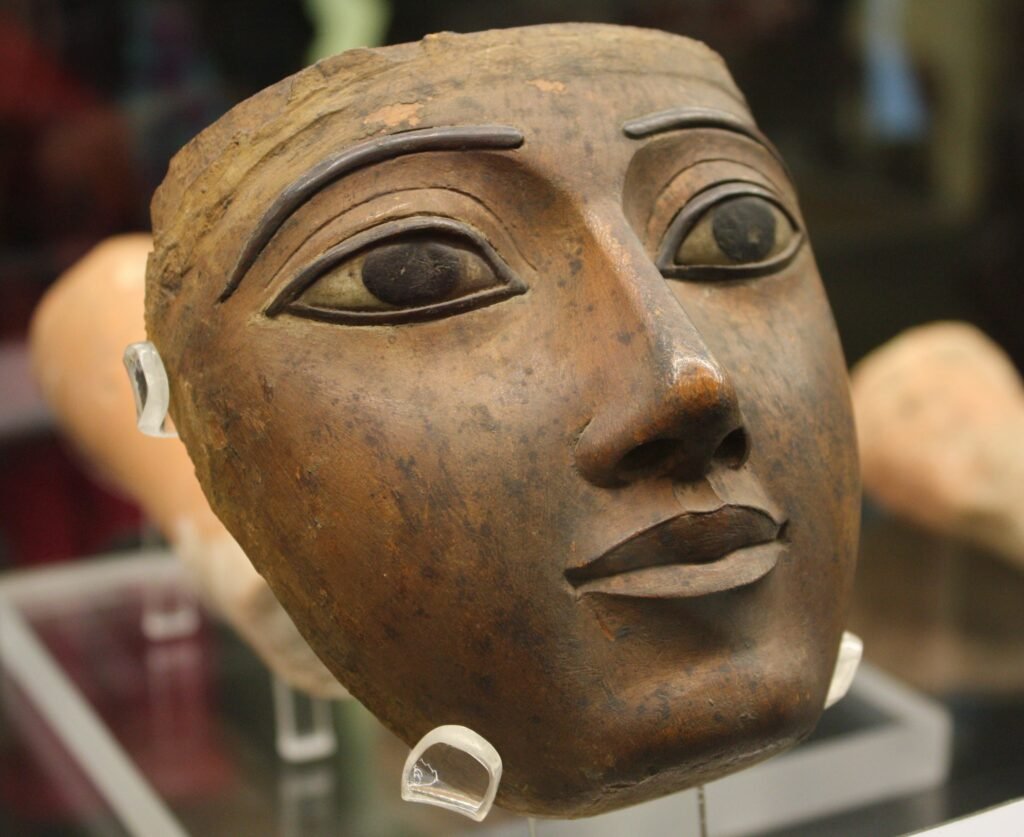
Both men and women in ancient Egypt lined their eyes with dark kohl. It looked striking, and it may have been protective too. A 2010 study by French researchers found that lead compounds in some Egyptian cosmetics boosted immune responses in skin cells, which could have helped fight eye infections. Today’s winged eyeliner follows the same style, minus the lead.
7. Surgical Guides
The Edwin Smith Papyrus, copied around 1600 BCE from older texts, is the oldest known surgical guide. It covers 48 injury cases, and for each one it moves through examination, diagnosis, and treatment, the same basic structure doctors follow today. Egyptian healers also dressed wounds with honey, and medical-grade honey is still used in some modern wound dressings.
8. Prosthetic Toes
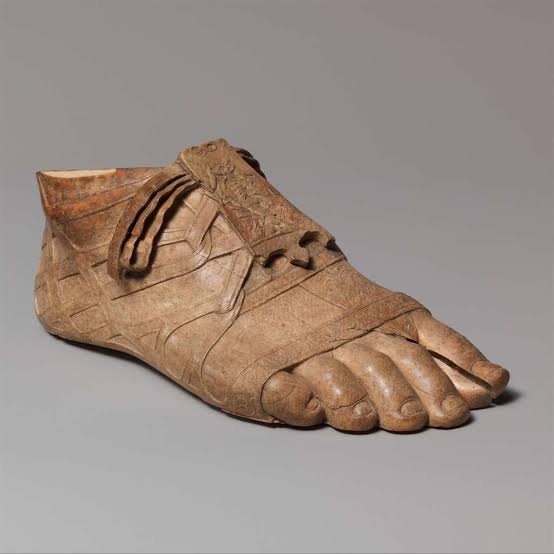
A wood and leather toe found on a mummy near Luxor is one of the oldest known working prosthetics, dating to roughly 950 to 710 BCE. When University of Manchester researchers tested a replica with volunteers missing their big toes, it helped them walk comfortably in Egyptian-style sandals. It’s an early ancestor of today’s prosthetic limbs.
Everyday Engineering We Still Rely On
9. The Pin Lock
Egyptians secured doors with large wooden locks. Loose pins dropped into holes in a sliding bolt, and only a key with matching pegs could lift them. The pin tumbler lock that Linus Yale and his son refined in the 1800s works on the same principle, and it’s still the core design inside most front-door locks.
10. Geometry and Land Surveying
The Nile flood erased farm boundaries every year. Egyptian surveyors, called “rope stretchers” by the Greeks, used knotted ropes to remeasure fields, and they developed practical formulas for area and volume. The Greek historian Herodotus believed geometry began in Egypt. Modern land surveys and property records still rely on this kind of math.
How to See Ancient Egyptian Inventions Up Close
Seeing ancient Egyptian inventions in person makes history feel real. If you’re planning an Egypt tour, set aside a day for the Grand Egyptian Museum near Giza or the Egyptian Museum in Cairo. Their papyri, tools, and cosmetic jars make the pyramids feel far more human. Outside Egypt, the British Museum in London and the Metropolitan Museum of Art in New York hold major collections. Can’t travel? Browse the British Museum collection online or The Met’s collection and zoom in on real artifacts from home.
FAQs About Ancient Egyptian Inventions
What is the most important ancient Egyptian invention?
Many historians would point to papyrus, because it made records, laws, science, and literature far easier to preserve and share.
Did the ancient Egyptians invent toothpaste?
They were among the first people known to use tooth-cleaning powders, and one of the oldest surviving toothpaste recipes comes from Egypt.
Final Thoughts: The Nile’s Lasting Legacy
From the notebook on your desk to the calendar on your phone, ancient Egyptian inventions are quietly built into daily life. They weren’t lucky accidents. They were smart answers to real problems like floods, illness, record-keeping, and security. Pick one invention from this list and trace its story further. You’ll be surprised how far back everyday things go.