
The Crooked House Poland is a building that breaks the basic rules of geometry. It is located in the middle of Sopot, a seaside town known for its beauty and the longest wooden pier in Europe. This architectural wonder, known locally as Krzywy Domek, was finished in 2004 and has since become one of the most photographed buildings in the world. The building’s melting walls, sagging roofline, and warped windows make it look like you’re looking at it through a warped lens or that it’s turning into a liquid right in front of your eyes. The Crooked House Poland is a great example of how architecture can tell stories, be silly, or just be a place for your imagination to run wild.
The story behind the Crooked House Poland is just as magical as the building itself. It takes a lot of ideas from Jan Marcin Szancer’s fairy tale illustrations and Per Dahlberg’s surrealist art. Architects Szotyńscy and Zaleski wanted to make a space that felt like it had been taken straight from the pages of a children’s book and put in the middle of a busy shopping street. The designers of the Crooked House Poland were able to make people of all ages feel nostalgic and amazed by copying the hand-drawn, wobbly style of Szancer’s work. It is a rare case of “storybook architecture” being turned into a modern, useful commercial space that has shops, offices, and restaurants.
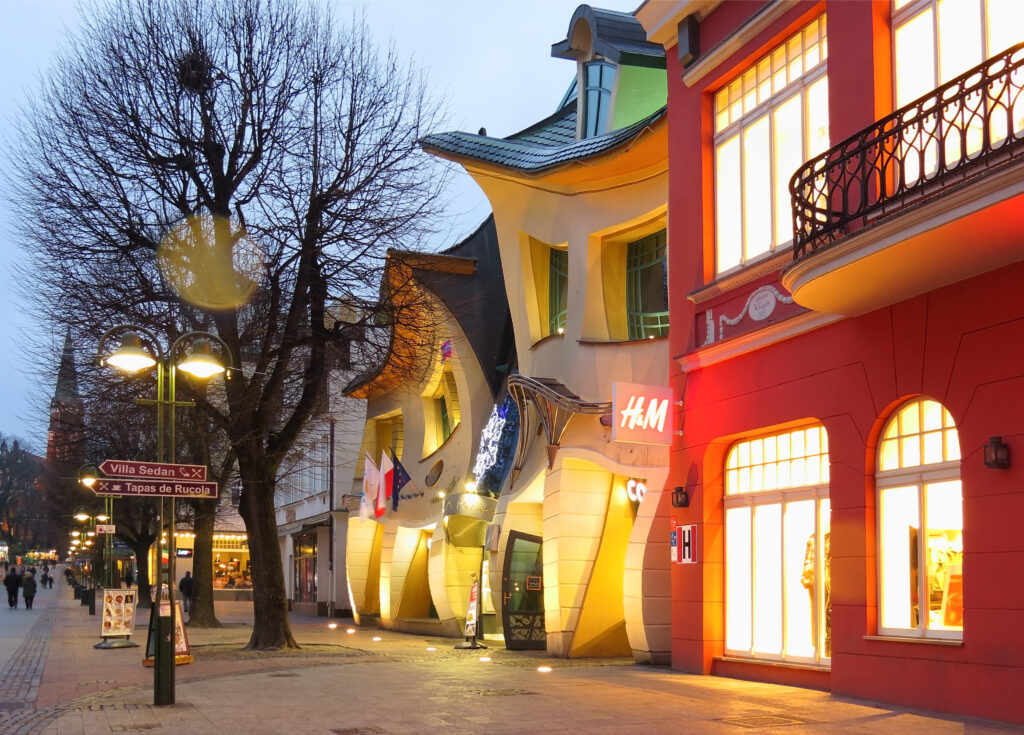
The Crooked House Poland was built using modern engineering techniques, which means that every curve and bend had to be carefully planned to make sure the building was stable, even though it looks like it was thrown together. The front of the building is made of stone, metal, and glass, all of which have been arranged in a way that makes it look like they are moving and growing naturally. The roof has blue-green shingles that look like the scales of a mythical dragon or the shifting surface of the sea. The frames are warped, and the windows are large. When you stand in front of the Crooked House Poland, you can’t help but admire the skill that went into making a building look so “imperfect” while still being safe and useful as a public shopping center.
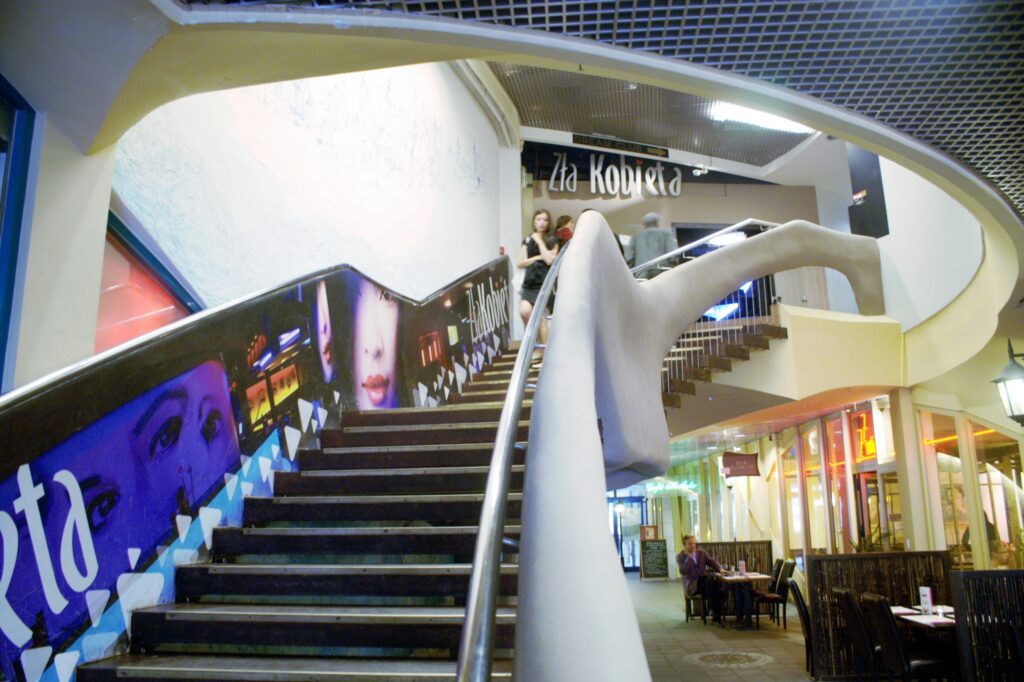
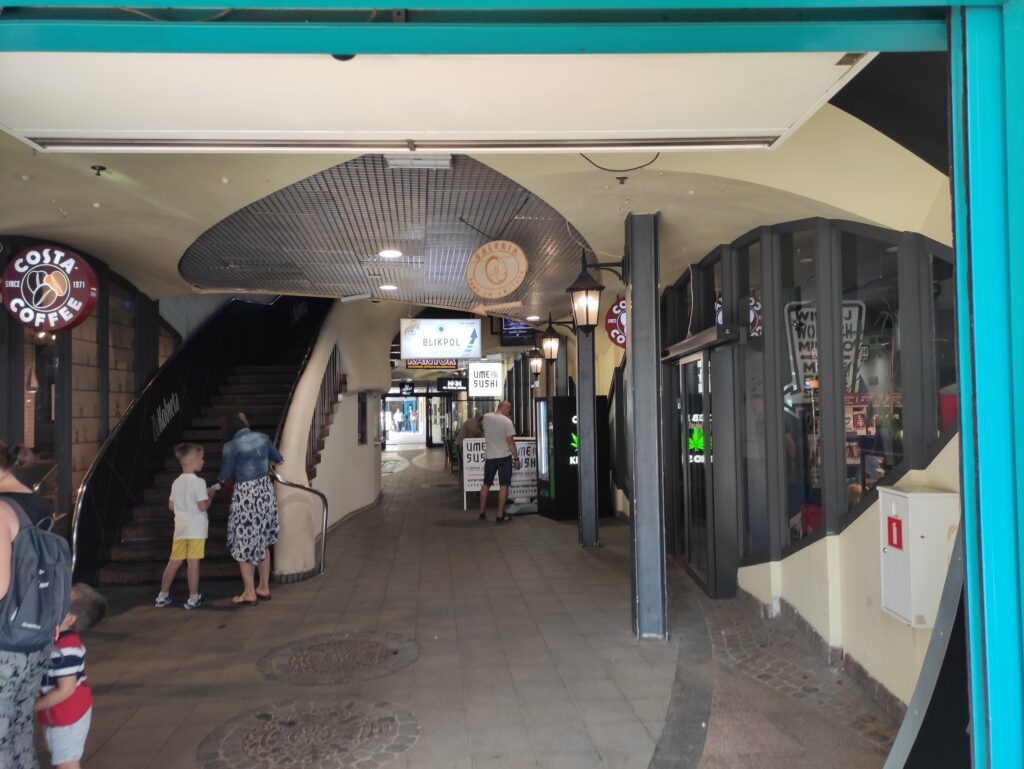
The Crooked House Poland is on the famous Monte Cassino Street, which is a busy street for pedestrians and the center of social life in Sopot. Because of where it is, the building attracts a lot of tourists who are often surprised by how dreamlike it looks next to more traditional European buildings. When you walk into the Crooked House Poland, it feels like you’re stepping through a portal into another world. The inside spaces continue the theme of fluidity and artistic expression. It has become a key part of the local economy, showing that bold, unusual design can be a powerful way to bring a city back to life and attract international travelers who want to see the “weird and wonderful” side of Eastern Europe.
The “Wall of Fame” inside the Crooked House Poland is one of the most charming traditions that goes along with it. Like the Hollywood Walk of Fame, this wall has the signatures of famous people and cultural figures who have been there. This adds a modern touch to the wall’s fairytale charm. This interactive feature makes visitors feel like they are part of the building’s ongoing history, connecting the made-up world that inspired the Crooked House Poland with the real world of modern celebrity culture. It makes a simple trip to the store into a cultural experience, so that every guest leaves with a memory that is as strange and wonderful as the walls themselves.
The Crooked House Poland is an important part of Sopot’s identity as a city that embraces the avant-garde, in addition to being visually interesting. Many old European cities are wary of letting modern, strange buildings sit next to traditional ones, but Sopot welcomed the project as a way to set itself apart from nearby Gdańsk and Gdynia. A lot of architectural magazines and lists of the “world’s strangest buildings” have since written about the Crooked House Poland, which has made it a global symbol of postmodern design. It makes people think about how they interact with the built environment and suggests that the places we live can be just as expressive and emotional as a painting or a piece of music.
The Crooked House Poland looks even more magical when the sun sets over the Baltic Sea. Its uneven windows let in light from the inside, making it look like a lantern in the woods. The roof’s waves cast shadows that make the pavement below look like an art gallery that changes all the time, making people want to stop and look a little longer. The Crooked House Poland is a one-of-a-kind place to visit, whether you’re an architecture student studying the limits of structural form or a family looking for some magic on vacation. It still proves the point that if we dare to think outside the box—or in this case, outside the straight line—we can make something that touches the hearts of people all over the world.