
The Palace of Versailles is the best example of absolute monarchy. It is a huge golden complex that turned a simple hunting lodge into the political center of France. This huge building, which is only twelve miles from Paris, was designed by King Louis XIV, who is also known as the Sun King. Louis XIV moved the royal court and the government to the Palace of Versailles in 1682, which effectively centralized his power. This meant that the French nobility had to live under his watchful eye and compete for his favor. The estate is still a beautiful example of the Baroque style and a testament to the ambition of a king who thought his power came from God.
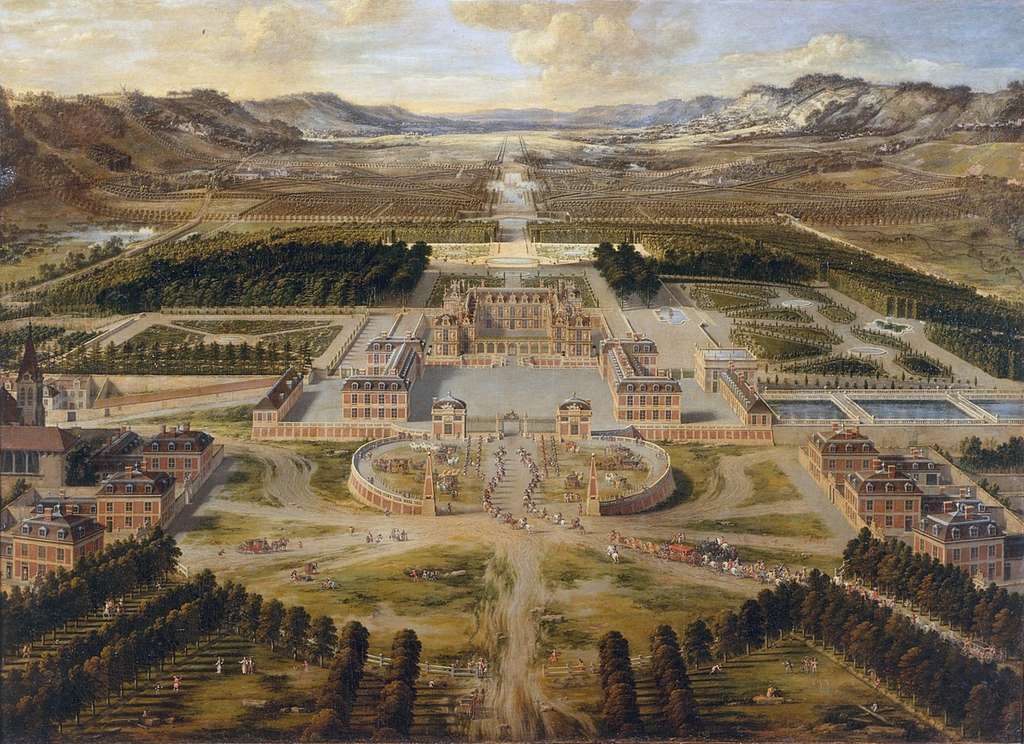
When you start to look into where the Palace of Versailles came from, you can’t help but notice how the landscape has changed. The land, which used to be a marshy, unremarkable area, was turned into a carefully planned work of art with gardens, fountains, and stone. To make the Palace of Versailles bigger, thousands of soldiers and craftsmen had to work hard to make the King’s wish come true: a home that would be better than any other royal court in Europe. The Palace of Versailles was not just a show of wealth; it was a carefully planned way to scare off foreign dignitaries and make France look like the most powerful cultural and military power in the seventeenth century.
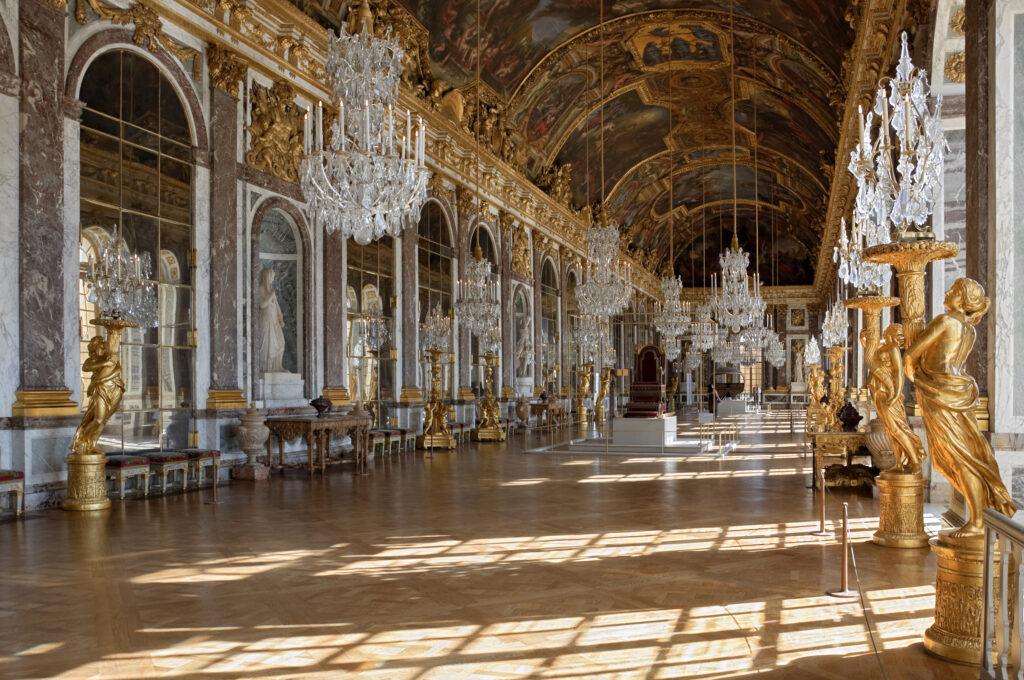
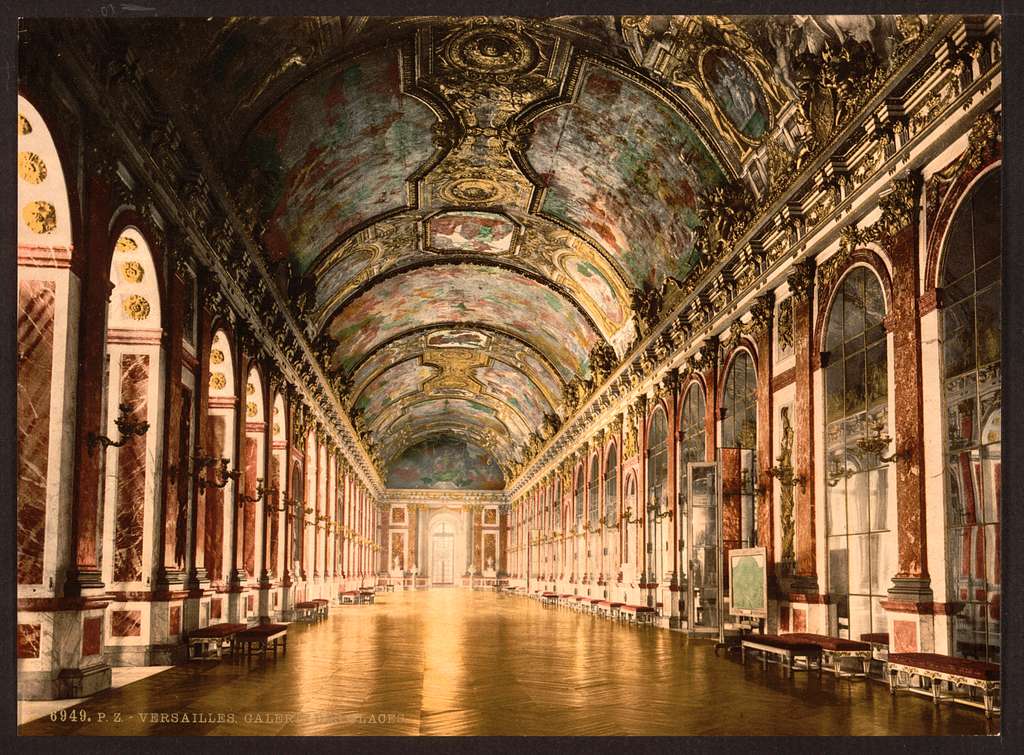
The Hall of Mirrors is probably the best way to describe the inside of the Palace of Versailles. It changed how light and reflection were used in interior design. This gallery was finished in 1684 and has seventeen mirrored arches that reflect seventeen windows that look out over the gardens. The effect was so beautiful that it captivated the court. In the 1600s, mirrors were some of the most expensive things you could own. The Palace of Versailles had so many of them that they were a clear sign of the King’s wealth. Not just for show, this hall was the site of important diplomatic ceremonies and, centuries later, the signing of the Treaty of Versailles, which ended World War I and made the Palace of Versailles a part of modern political history.
The Palace of Versailles had a very complicated set of rules for how people should behave, called the étiquette. From the time the King woke up during the lever to the time he went to bed during the coucher, every move he made was part of a planned public performance. Being asked to hold the King’s shirt or watch him eat was a sign of very high social status for the aristocrats who lived at the Palace of Versailles. The constant theater kept the nobles too busy with social climbing to plan rebellions against the crown. This made the Palace of Versailles a “gilded cage” that kept Louis XIV in complete control of the state.
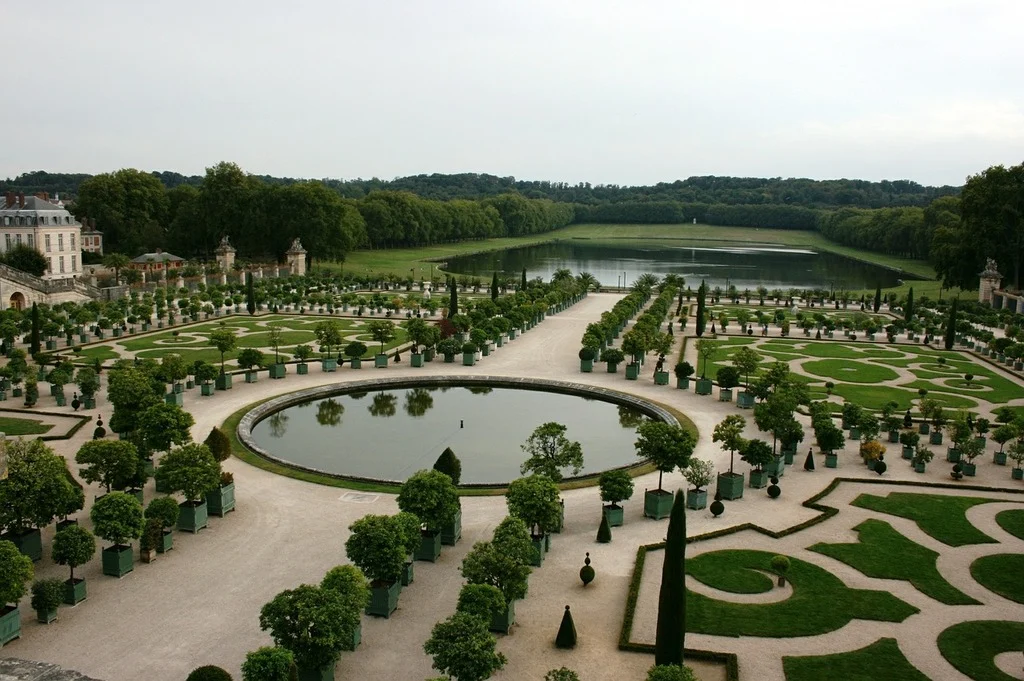
The Gardens are outside the main walls of the Palace of Versailles. They were designed by the famous landscape architect André Le Nôtre over the course of many years. The gardens at the Palace of Versailles are a great example of the jardin à la française style, which is known for its symmetry, geometric paths, and views of the grand canal. Engineers built the Machine de Marly, a huge hydraulic system that pumped water from the Seine River to keep the hundreds of fountains running. The King thought he could control even the elements by combining nature and machines at the Palace of Versailles. He thought he could bend the natural world to his aesthetic and functional will.
The Palace of Versailles kept changing as Louis XIV’s reign gave way to Louis XV’s and then Louis XVI’s. This was because people’s tastes were changing and the monarchy was becoming more isolated. Louis XV built the Petit Trianon, a smaller chateau on the grounds where people could get together in a more relaxed setting than the main court. Marie Antoinette, Louis XVI’s wife, later made the estate even more beautiful by commissioning the Hameau de la Reine, a rustic retreat in the Palace of Versailles that looked like a peasant village. The royals liked having these extra spaces because they gave them some privacy, but the people of Paris, who were starving, saw them as signs of royal wastefulness and distance.
During the French Revolution in 1789, the Palace of Versailles suddenly stopped being a royal residence. A group of angry women marched from Paris to the gates of the Palace of Versailles. They were angry about high bread prices and the revolution, and they made the royal family go back to the capital. A lot of the furniture and art in the Palace of Versailles was sold at auction to help pay for the new Republic during the revolutionary years. The building almost got torn down. The Palace of Versailles was saved and turned into a museum “to all the glories of France” only because of the actions of later leaders like Napoleon Bonaparte and King Louis-Philippe.
The Palace of Versailles went from being a symbol of a divisive monarchy in the 1800s and 1900s to a source of national pride and unity. The “Museum of the History of France,” which opened inside the palace in 1837, wanted to bring the country together by showing art and artifacts from different times in French history, no matter what political views they had. This change made sure that the Palace of Versailles would still be important after the monarchy ended, as a place for important state visits and international summits. Some of the most careful restoration work in the world is still going on at the Palace of Versailles. It involves skilled craftsmen who use old-fashioned methods to protect the gold leaf and silk tapestries.
The Palace of Versailles left behind a complicated legacy of artistic genius and political excess. For more than a hundred years, it set the standard for what a royal residence should look like. It inspired dozens of copies all over Europe, from the Peterhof in Russia to Schönbrunn in Austria. The Palace of Versailles, on the other hand, is also a warning about the dangers of leaders who lose touch with their people. The Palace of Versailles is a UNESCO World Heritage site that teaches millions of people every year about the best of human craftsmanship and the complicated history of France.