
There have been many times in human history when technology has worked well and times when it has failed terribly. But few events have had the same chilling effect as the Chernobyl disaster. The world’s worst nuclear disaster happened at the Chernobyl Nuclear Power Plant in Soviet Ukraine on the morning of April 26, 1986. This terrible event did more than just send a cloud of radioactive fallout across Europe; it also changed how people around the world thought about nuclear safety and showed how deeply flawed the Soviet Union’s political and scientific systems were. To fully understand what happened at Chernobyl, you need to look into the technical arrogance, the loss of life, and the environmental damage that is still visible forty years later.
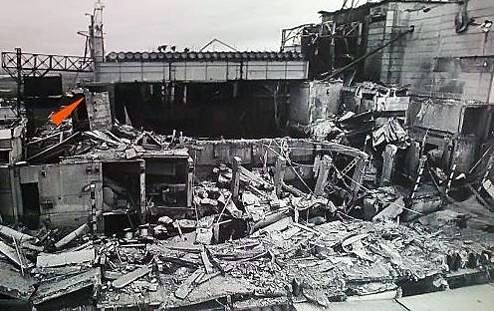
The Chernobyl disaster happened because a safety test that was not done well was supposed to find out if the reactor’s turbines could provide enough power to run cooling pumps during a power outage. It is ironic that the test that was supposed to keep everyone safe ended up causing complete destruction. Engineers at the plant turned off important safety features, like the emergency core cooling system, so they wouldn’t get in the way of the experiment. The RBMK-1000 reactor design, which was only used in the Soviet Union, showed a deadly flaw called a “positive void coefficient” when the power levels dropped and then shot up out of control. This technical instability, along with human error, set off a chain reaction that made the Chernobyl disaster unavoidable once the test started in the middle of the night.
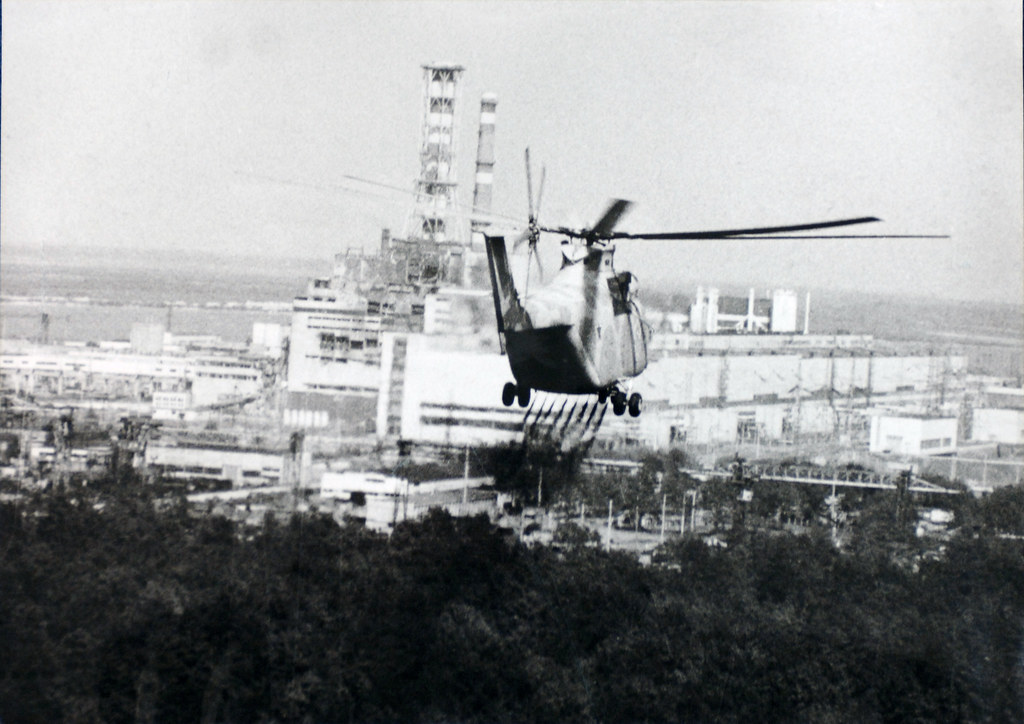
In the days and weeks after the Chernobyl disaster, people worked frantically and often to the point of death to put out the raging graphite fire and stop the radiation from leaking. Firefighters from the nearby Pripyat station came to the scene without any special protective gear, not knowing that they were walking into a deadly field of ionizing radiation. These “first responders” to the Chernobyl disaster fought bravely to keep the fire from spreading to Reactor 3, which was next door, but most of them died of acute radiation syndrome within a few weeks. Their sacrifice bought the world precious time, but Soviet officials didn’t tell the public what was going on, so the people living nearby had no idea that the air they breathed was full of poison.
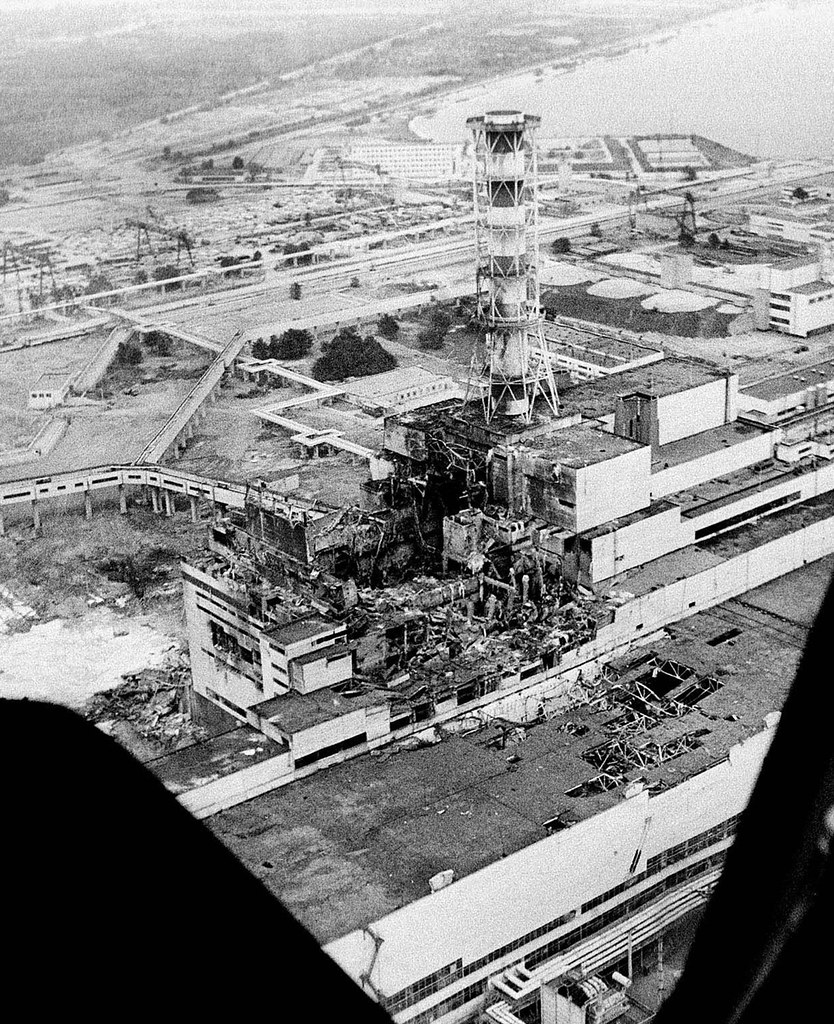
For 36 hours after the first explosion, life in the nearby city of Pripyat went on as usual, even though the Chernobyl disaster had happened. While kids played in the streets, radioactive dust settled on their hair. People on their balconies watched the “beautiful” glow of the exposed reactor core. The Soviet government didn’t admit to the Chernobyl incident until Swedish radiation monitors thousands of miles away found strange spikes in atmospheric toxicity. The evacuation of Pripyat was quick and violent. Residents were told they would be gone for only three days, but they left behind pets, heirlooms, and lives that would never be reclaimed. The city, which had once been full of life, became a ghost town.
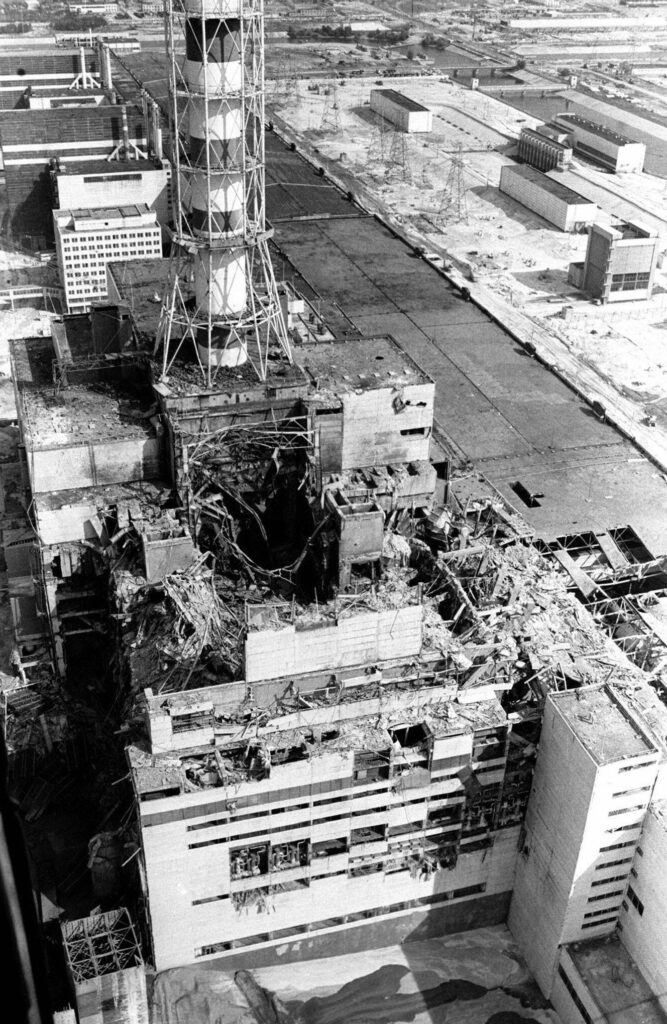
The Soviet Union sent in an army of “liquidators” to clean up the Chernobyl disaster and stop the radiation from spreading. These 600,000 men, who were soldiers, miners, and volunteers, did a lot of different things. Some of them shoveled radioactive graphite off the roof of the reactor, while others built a huge concrete “Sarcophagus” to cover the ruins. The Chernobyl cleanup workers’ physical and mental health was severely affected, as many of them worked in areas with high radiation levels for only a few seconds at a time to avoid death. Their work was a race against time to stop a second, even bigger thermal explosion that could have made a lot of Eastern Europe unlivable for hundreds of years.
The Chernobyl disaster had effects on the environment that made the area look strange. It is now called the Exclusion Zone. More than 1,000 square miles were closed off, making it a place to study how radiation affects plants and animals over long periods of time. The “Red Forest” died off almost right away after the Chernobyl disaster, but now the area has seen a strange return of wildlife, such as wolves, bears, and wild horses, who do well without people bothering them. This “re-wilding,” on the other hand, is misleading because many animals that live near Chernobyl have genetic mutations and shorter lifespans. These animals are a biological record of the isotopes like Cesium-137 that are still in the soil.
Historians often say that the Chernobyl disaster was a major reason for the Soviet Union’s eventual fall. Later, Mikhail Gorbachev said that the disaster might have been the real reason the USSR fell apart, even more so than his policies of Glasnost and Perestroika. The cleanup cost tens of billions of rubles, which hurt an economy that was already having trouble. The Chernobyl disaster also shattered the myth that Soviet technology was perfect, which led to a deep distrust among the republics and sped up the push for independence in Ukraine and Belarus, the two countries most affected by the fallout.
After the Chernobyl disaster, the world came together to find a more permanent solution for the crumbling original sarcophagus over the next few decades. The New Safe Confinement is a huge steel arch that was finished in 2016. It was built to last at least 100 years and to make it possible for robots to eventually take apart the dangerous materials inside. This building is a symbol of how people from all over the world worked together after the Chernobyl disaster. However, the molten “Elephant’s Foot” in the basement is still one of the most dangerous things on Earth. It will always be a reminder that we can contain the Chernobyl disaster, but we may never be able to “clean it up” in our lifetime.
The Chernobyl disaster’s cultural impact keeps growing, thanks to documentaries, TV shows, and a growing interest in “dark tourism.” People now go to the Exclusion Zone to take pictures of the falling apart classrooms and the famous rusty Ferris wheel. They want to feel connected to a tragedy that seems like a movie set in the future. But these visitors must always remember that the Chernobyl disaster was not a movie set; it was a place of great loss and suffering for many people. The abandoned dolls and gas masks left behind in Pripyat are sad reminders of the families who had to leave their homes because of a disaster they didn’t understand.
Chernobyl disaster is the best example of how dangerous the atom’s power can be for people. It shows how important it is to have open government, a strong safety culture, and the understanding that technical “shortcuts” can have effects on the geology. As we look to a future that may need more nuclear energy to fight climate change, we must always remember what happened at Chernobyl. To honor the dead, we must make sure that the pride that led to the Chernobyl disaster is replaced by a constant dedication to safety and truth. This will make sure that the lights in Pripyat never go out again.