
The Boston Massacre is still one of the most important events in early American history. It is often seen as a turning point that made colonists more determined to fight British rule. Learning about the Boston Massacre’s causes and effects can help us understand why the relationship between Great Britain and its American colonies got so bad in the late 1700s. This violent fight, which happened in Boston on March 5, 1770, was not an isolated event; it was the result of years of political, economic, and social stress.
To fully understand the causes and effects of the Boston Massacre, you need to think about how colonists were becoming more angry with British rule. The British government put new taxes on the colonies after the expensive French and Indian War. These taxes included the Stamp Act and the Townshend Acts. Colonists didn’t like these policies very much because they didn’t have a direct voice in the British Parliament. The phrase “no taxation without representation” became a rallying cry that showed the political anger that led to the Boston Massacre and its effects.
As tensions rose, British troops were sent to Boston to keep the peace and make sure people paid their taxes, which made the people there even more angry. The presence of soldiers in a civilian area led to a lot of fights, which were a big part of the causes and effects of the Boston Massacre. A lot of colonists saw the soldiers as symbols of oppression instead of protectors. More and more minor arguments broke out between soldiers and civilians, making the city feel unstable.
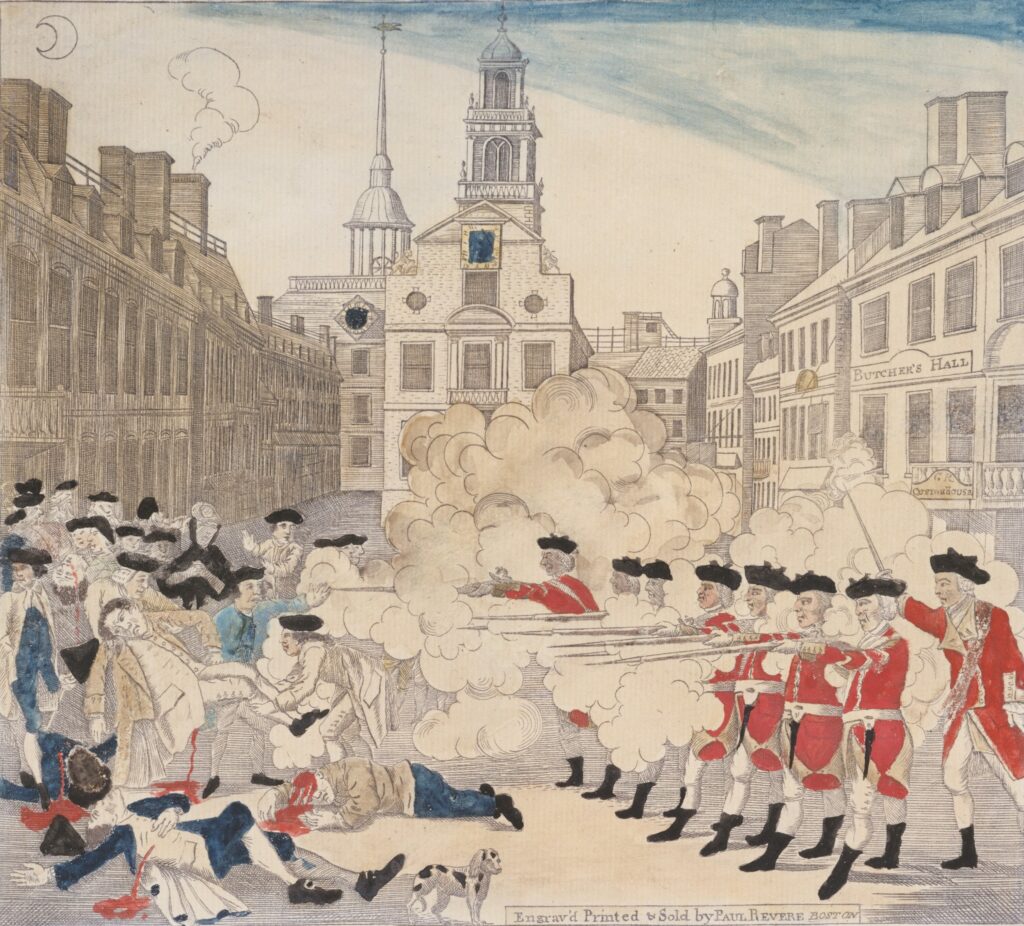
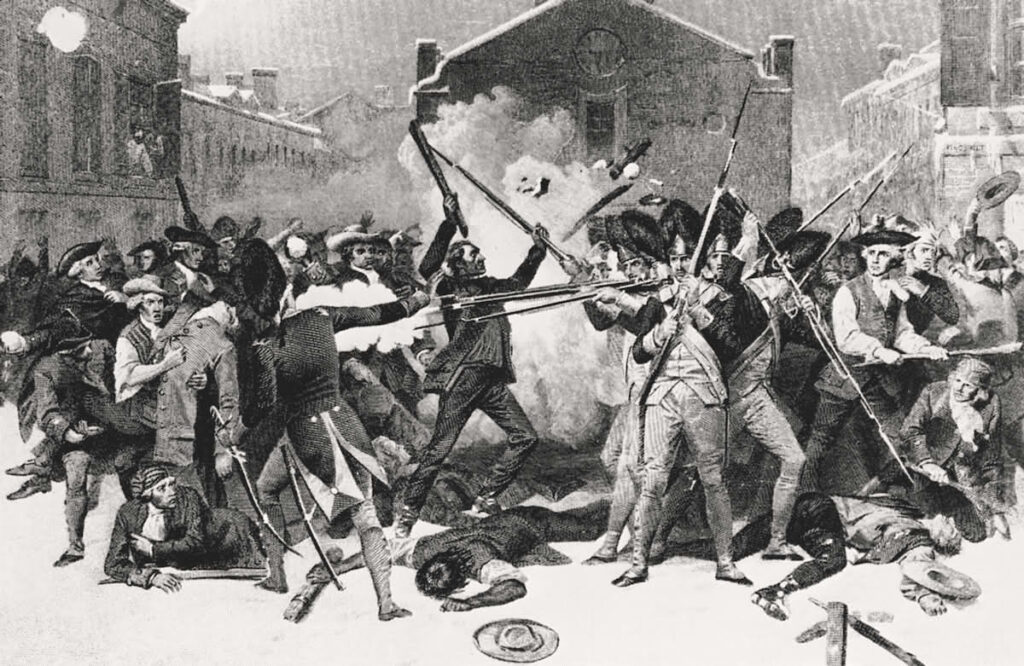
The Boston Massacre’s causes and effects reached a turning point on the night of March 5, 1770. When a group of colonists gathered around a British sentry outside the Custom House, a fight broke out. The crowd got bigger and angrier, throwing snowballs, stones, and other things at the soldiers. Captain Thomas Preston led reinforcements to the scene, but things quickly got out of hand. British soldiers shot into the crowd, killing five colonists and hurting many more in the midst of all the chaos.
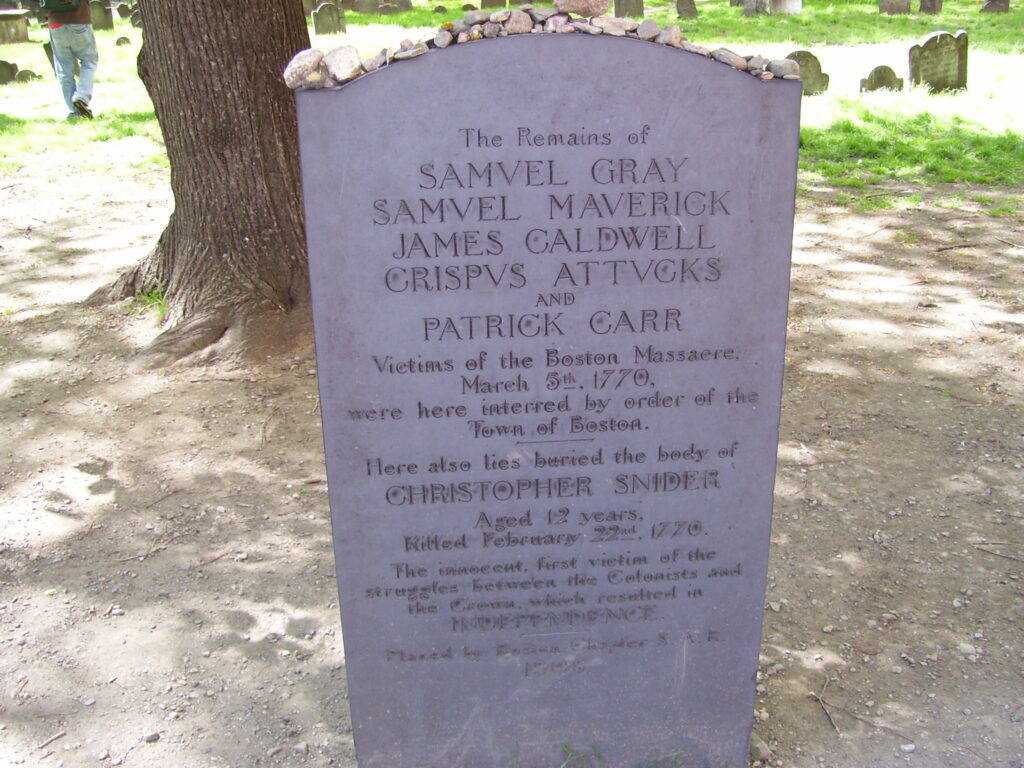
The people who died in the Boston Massacre became important symbols in the story of colonial resistance, which made the causes and effects of the Boston Massacre even stronger. Crispus Attucks, who is often thought of as the first person to die in the American Revolution, was one of the people who died. Colonial leaders used his death, along with the deaths of others, to turn public opinion against British rule. Even though historians are still debating how big of a threat the soldiers faced, the event was quickly called a “massacre.”
Effective propaganda made the Boston Massacre’s causes and effects even bigger. Paul Revere and other artists made engravings that showed the event as a cruel and unprovoked attack by British soldiers on innocent people. These pictures were shared widely in the colonies, changing how people thought and making them more anti-British. Colonial leaders made sure that the Boston Massacre’s causes and effects were heard far beyond Boston by using newspapers, pamphlets, and speeches.
After the event, the British soldiers who were involved were put on trial, which shows another side of the Boston Massacre’s causes and effects. John Adams, who believed in the importance of a fair legal process, defended them, which is interesting. Most of the soldiers were found not guilty, but two were found guilty of manslaughter. This result showed that the colonies still valued the rule of law, even when things were very tense.
The Boston Massacre’s causes and effects were very important in bringing the American colonies together against British rule. The event didn’t start a revolution right away, but it did make people much more angry and distrustful of the British government. Over the next few years, more fights and policies would make things worse, which would eventually lead to the start of the American Revolutionary War.
Historians frequently regard the causes and consequences of the Boston Massacre as a pivotal moment in colonial relations with Britain. It changed the political disagreement into open hostility, which set the stage for future conflict. The event also showed how important public opinion and the media are in shaping historical narratives. The way the massacre was reported was a big part of getting people to support independence.
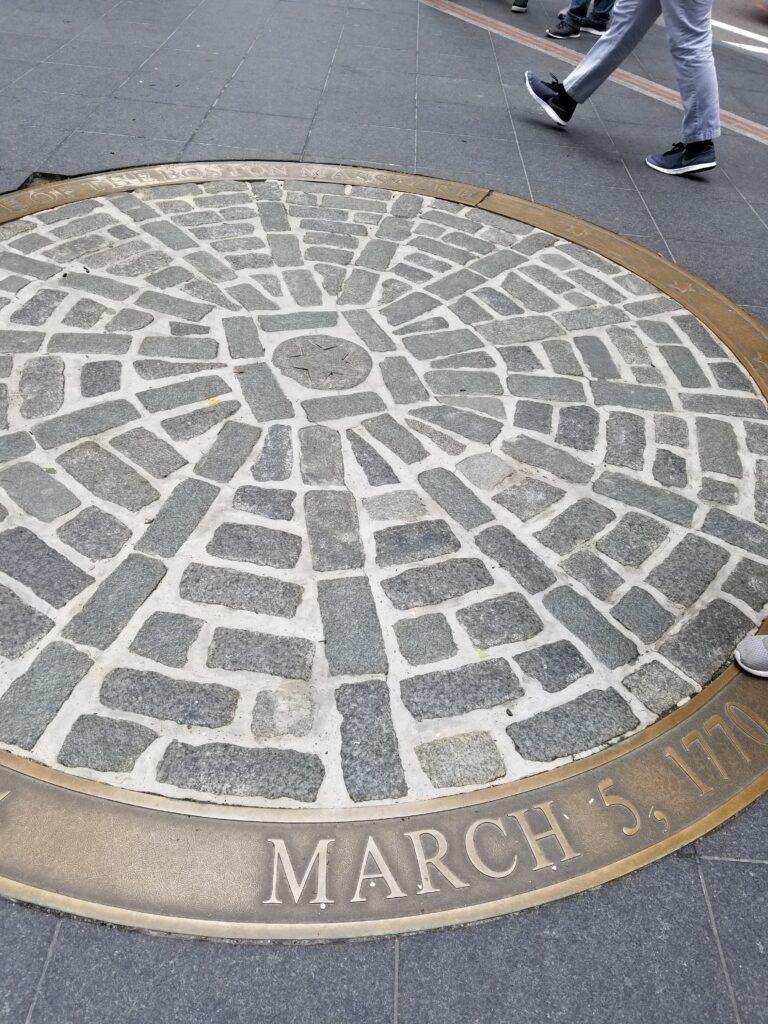
People study the causes and effects of the Boston Massacre today as an important part of the story of how America became free. The Freedom Trail in Boston preserves the site of the events, where people can learn about the events that shaped the country’s early history. The massacre’s legacy reminds us that fights over rights, governance, and representation can lead to big changes.
In conclusion, the Boston Massacre’s causes and effects go far beyond what happened on that one night. It was a spark that made colonial resistance stronger, brought the colonies together, and set the stage for revolution. When you look at the historical context, the events themselves, and what happened afterward, it’s clear why the Boston Massacre is still an important part of the story of America’s fight for independence.