
There have been great accomplishments and significant progress in the history of the American presidency, but there have also been times of extreme violence that have changed the course of the country. One of the saddest parts of the book is the chapters about the four US presidents who were killed while in office. These terrible events did more than just take individual lives; they shocked the whole country and made the federal government change how it protects executives and plans for succession. To comprehend the contemporary American political landscape, it is essential to examine the motivations, pivotal events, and enduring legacies of the assassinated presidents of the United States.
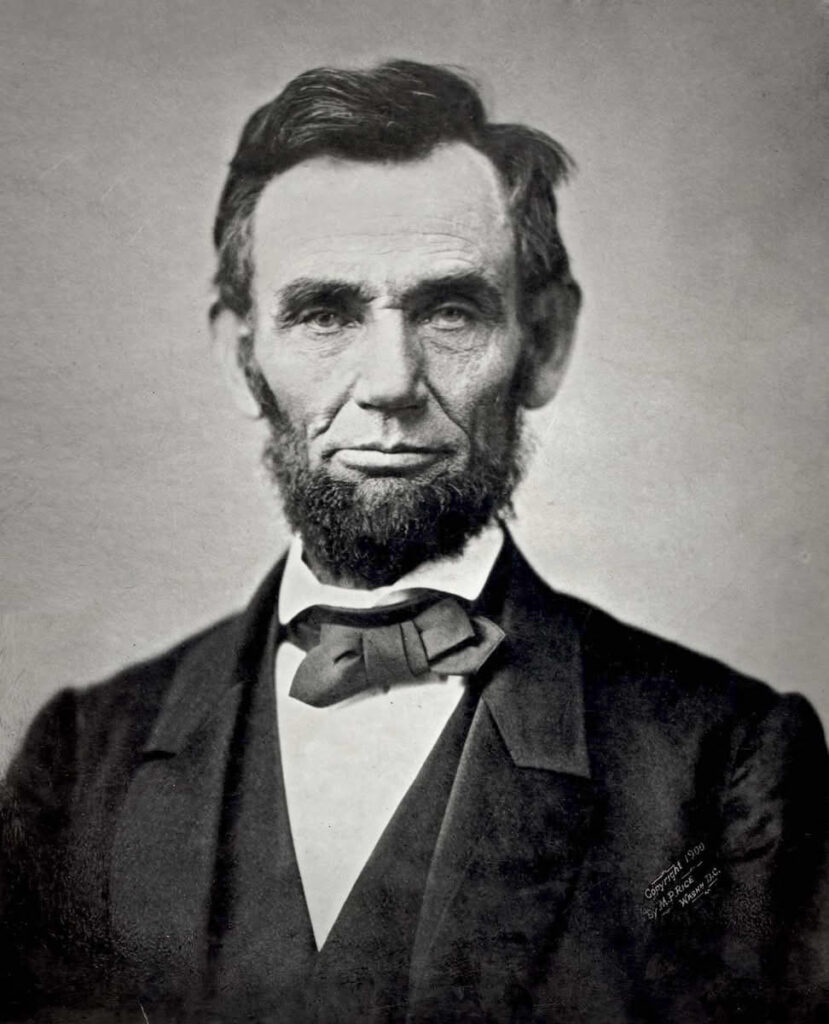
Abraham Lincoln was the first president of the United States to be killed. He died in 1865, a time of great success and deep division. John Wilkes Booth shot Lincoln at Ford’s Theatre in Washington, D.C., just days after the Confederates gave up at Appomattox. This violent act wasn’t just a random attack; it was a desperate attempt by someone who supported the South to throw the Union into chaos at the very beginning of Reconstruction. Lincoln’s death, which was probably the most famous assassination of a US president, left a gap in leadership that made it harder to bring the Southern states back into the Union and changed the course of civil rights for almost a century.
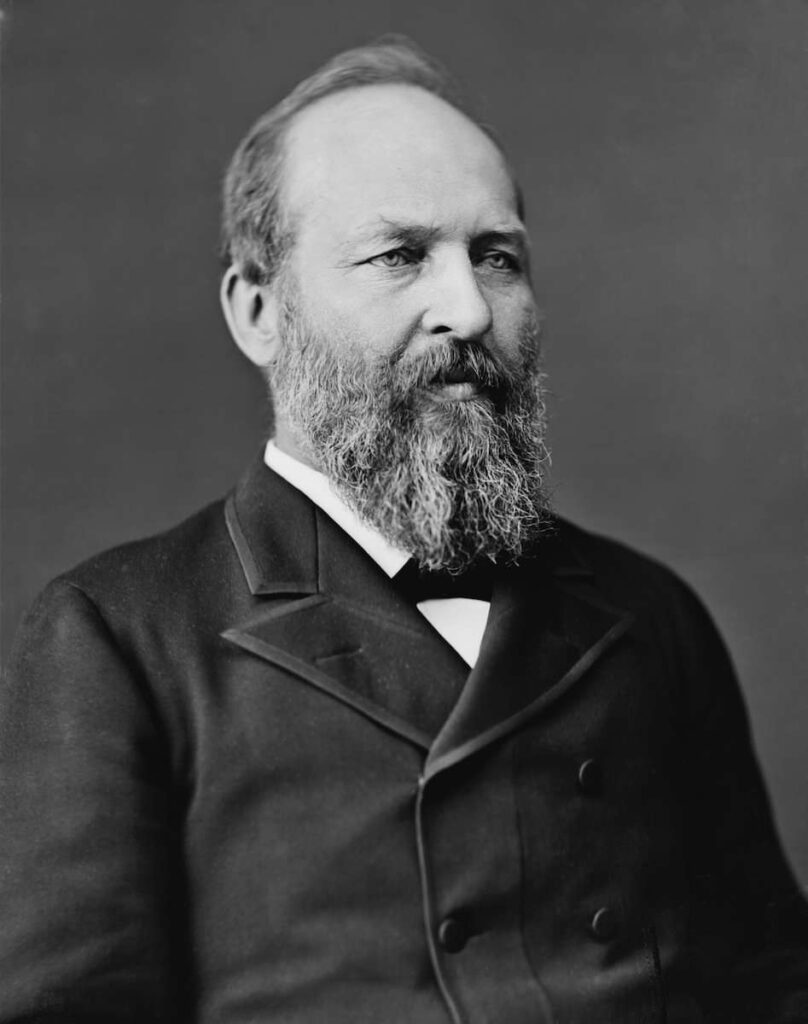
The country lost James A. Garfield, the second president to be killed, sixteen years later. Charles J. Guiteau shot Garfield at a train station in Washington, D.C., in July 1881. He had only been in office for four months at the time. Interestingly, even though the first wound wasn’t immediately fatal, the medical practices of the time, like doctors probing the wound with unsterilized fingers, caused a painful infection that lasted for a long time and eventually killed him in September. The assassination of Garfield is often seen as a turning point in the professionalization of the civil service because his killer was a disgruntled office-seeker who thought he was owed a federal job.
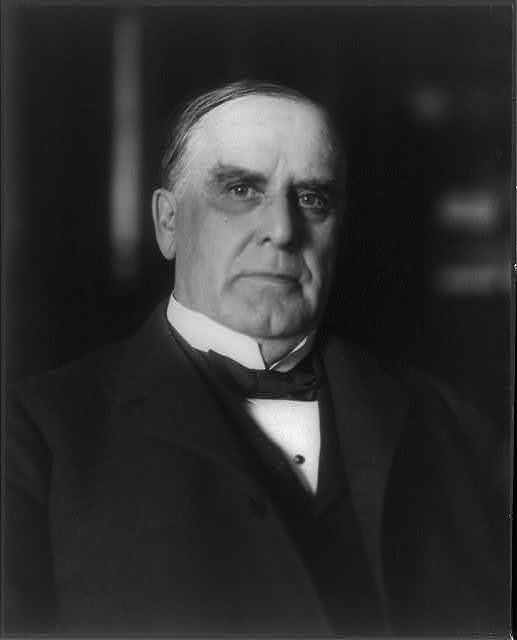
William McKinley’s death in 1901 was the third tragedy involving assassinated presidents of the United States. While McKinley was at the Pan-American Exposition in Buffalo, New York, Leon Czolgosz, an anarchist, came up to him with a revolver hidden under a handkerchief. This event shook a country that was just starting to make its mark as a global power. The assassination of McKinley is especially important among the assassinated presidents of the United States because it led to the Secret Service being officially given the job of protecting the President full-time, which is still the agency’s main job today.
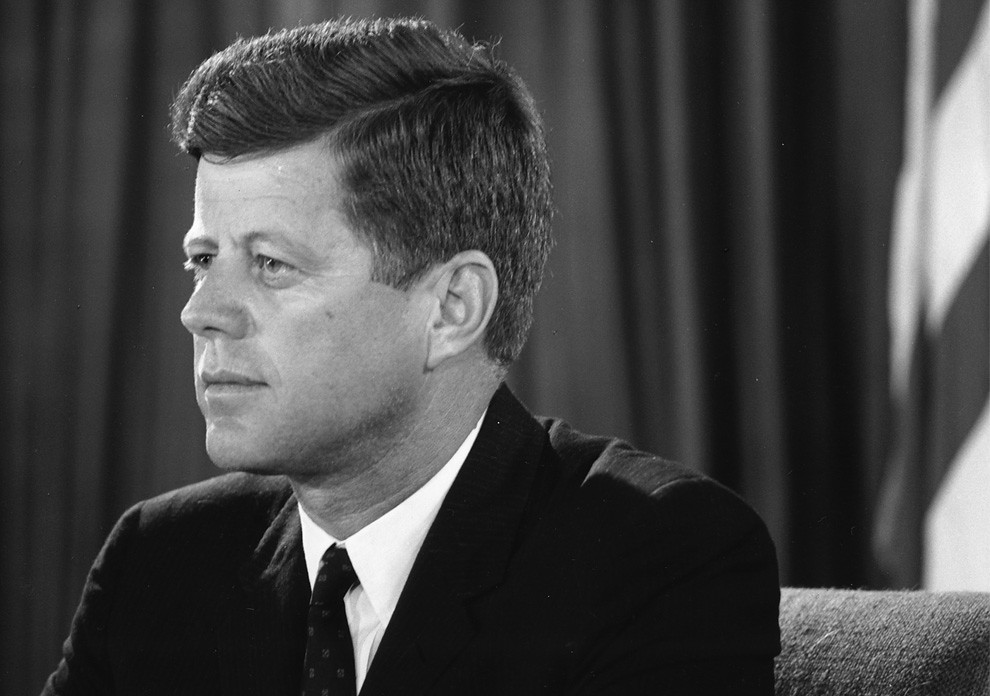
John F. Kennedy, who was shot and killed on a sunny afternoon in Dallas, Texas, on November 22, 1963, may have had the most cultural impact of all the US presidents who were killed. The assassination of Kennedy, which was caught on the haunting Zapruder film, is still one of the most talked about and studied events in modern history. Kennedy’s death happened during the time of television, which was different from the deaths of other US presidents who had been killed. This meant that the whole country could see the tragedy and its aftermath happen in real time. This moment destroyed the innocence of the 1960s and started a lot of conspiracy theories that are still going around decades after the Warren Commission released its official report on the tragedy.
The deaths of the presidents of the United States have caused a lot of trauma, which has changed the way the Vice President takes over. After Kennedy died, the 25th Amendment was passed to make the rules for presidential succession and disability clearer. This way, the government can stay stable even if there is an unexpected vacancy. The American legal system is trying to make its democratic institutions stronger against future shocks, even after senseless violence. This change in the Constitution is a direct result of the hard lessons learned from the sudden deaths of the assassinated presidents of the USA.
The assassinations of US presidents have also changed the way security works. In the 19th century, presidents often walked around Washington without much protection. This level of access seems impossible today. The change from Lincoln’s low-tech security to the modern Secret Service’s high-tech, multi-layered protective details is a direct response to the weaknesses shown by the assassinated presidents of the United States. Each incident was a terrible reason for improvements in technology and tactics for finding threats, keeping motorcades safe, and controlling crowds during public events.
Also, it’s important to remember that the presidents of the United States who were killed were often very smart and politically ambitious men whose full potential was never realized. Lincoln wasn’t able to oversee a peaceful Reconstruction; Garfield’s reforms didn’t have time to take hold; McKinley’s vision for industry was cut short; and Kennedy’s New Frontier was left for his successor to figure out. When we think about the presidents of the United States who were killed, we aren’t just sad about the men; we’re also sad about the “what ifs” of history—the policies, speeches, and progress that could have happened if these leaders had been able to finish their terms.
The history of the assassinated presidents of the United States shows how strong the American Republic is. The United States has had a peaceful transfer of power for more than 200 years, even though four presidents have been killed by assassins. The strength of the office remains after the person who held it dies.