
Long before contactless payments and crypto wallets, people faced a much simpler problem: how do you get what you need when you have nothing the other person wants? The history of currency is really the story of humans solving that problem again and again, from trading goats for grain to trading code for coffee. Understanding how money evolved doesn’t just satisfy curiosity — it helps make sense of why Bitcoin, digital wallets, and central bank currencies exist today. Let’s walk through that journey.
What Was the Barter System?
Before money existed in any form, communities relied on the barter system — a direct exchange of goods and services. A farmer with extra wheat might trade with a herder who had spare wool. It worked, but only under narrow conditions.
The Problem With Bartering
Barter required what economists call a “double coincidence of wants” — both people had to want exactly what the other was offering, at the same time. A fisherman with too much fish and a need for shoes had to find a shoemaker who happened to want fish that day. This inefficiency is what eventually pushed societies toward a more flexible system: money.
The Rise of Commodity Money
As trade networks grew, communities began agreeing on shared items to represent value. This is known as commodity money — objects that were valuable in themselves and widely accepted. Cowrie shells, salt, cattle, and grain all served as early currency across different civilizations.
Salt was so valuable in ancient Rome that soldiers were partly paid in it — the origin of the word “salary.” These commodities solved the barter problem because they were portable, divisible, and widely desired.
The Invention of Coins and Metal Currency
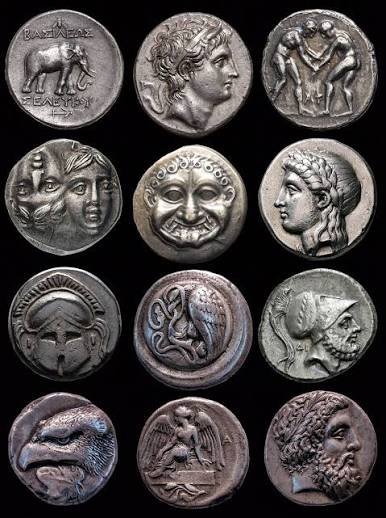
Around the 7th century BCE, the kingdom of Lydia (in modern-day Turkey) is credited with minting the first standardized metal coins, made from electrum, a naturally occurring mix of gold and silver. Coins solved a major trust issue: their value was backed by weight and government authority, not guesswork.
Ancient Greece, Rome, Persia, and China quickly followed with their own coinage systems, each stamped with symbols of authority to guarantee value. This marked one of the biggest turning points in the history of money — currency was no longer just useful, it was standardized and trusted.
Paper Money and the Birth of Banking
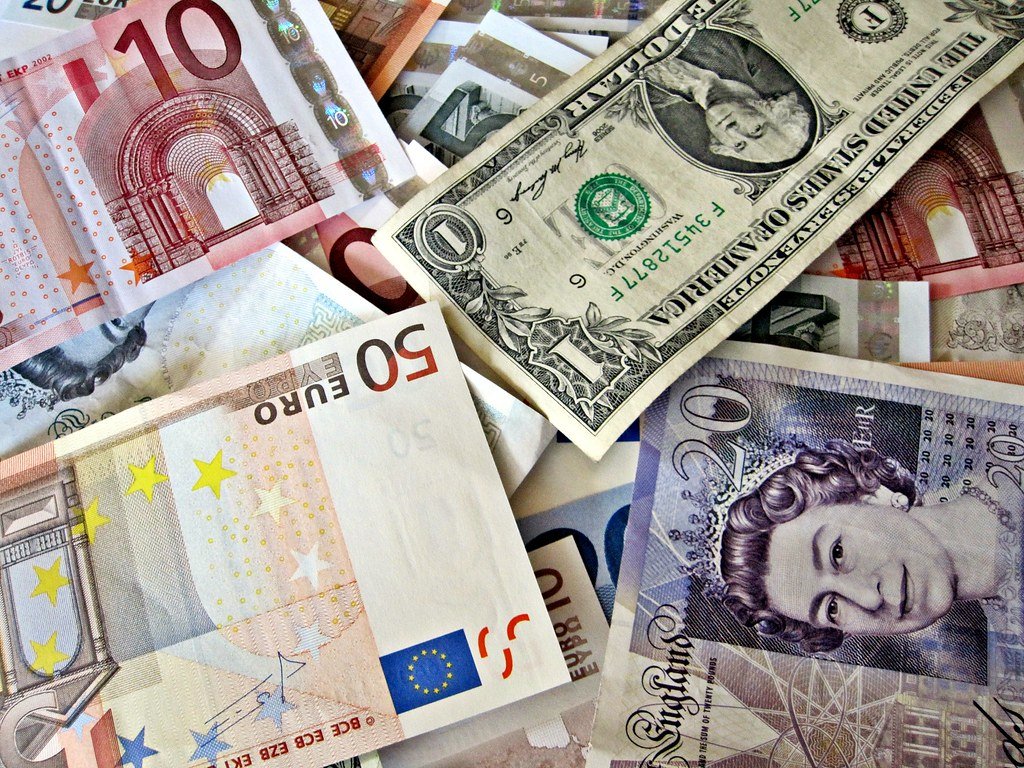
China introduced the world to paper money during the Tang and Song dynasties, using promissory notes that merchants could exchange for goods instead of carrying heavy coins. By the 13th century, Marco Polo documented paper currency in use across the Mongol Empire, astonishing European traders.
Europe caught on centuries later, with banks issuing paper notes backed by gold or silver reserves. This shift laid the foundation for modern banking — institutions that could hold value on your behalf and issue currency backed by trust in the system, not just the material itself.
The Gold Standard and Its Collapse
For much of the 19th and early 20th centuries, many nations tied their currency directly to gold reserves, a system known as the gold standard. It offered stability: a dollar or pound was literally worth a fixed amount of gold.
That changed in 1971, when the U.S. ended the direct convertibility of the dollar to gold — an event now called the “Nixon Shock.” This moved the world into the era of fiat currency: money that holds value because governments and citizens agree it does, not because it’s backed by a physical commodity.
The Digital Currency Revolution
Credit Cards and Electronic Payments
The mid-20th century introduced credit cards, checks, and eventually online banking, shifting currency from something physical to something largely digital. Money became a number on a screen rather than paper in a wallet.
The Birth of Bitcoin and Cryptocurrency
In 2009, an anonymous creator (or group) known as Satoshi Nakamoto launched Bitcoin, the first decentralized cryptocurrency. Unlike traditional currency, Bitcoin isn’t issued by any government or bank — it runs on blockchain technology, a public ledger maintained by a global network of computers.

Bitcoin sparked an entirely new category of digital currency, inspiring thousands of cryptocurrencies and reshaping conversations around what money can be in a decentralized, internet-connected world.
What’s Next in the History of Currency?
Governments are now exploring Central Bank Digital Currencies (CBDCs) — digital versions of national currencies issued directly by central banks. Meanwhile, cryptocurrency adoption continues to grow for payments, investing, and cross-border transactions.
The pattern throughout the history of currency is clear: money keeps evolving to match how people actually trade, communicate, and build trust — from shells and salt to silicon and code.
Final Thoughts
From barter to Bitcoin, currency has always been a mirror of human trust and technology. Each shift — coins, paper money, digital banking, cryptocurrency — solved a real problem of its time. Understanding this evolution isn’t just a history lesson; it’s a lens for understanding where money is headed next, and how to make smarter decisions with it today.