
The famous clock tower known as Big Ben stands tall at the north end of the Palace of Westminster. It has been keeping watch over the River Thames for hundreds of years. A lot of people use the name to talk about the whole Gothic Revival building, but it really belongs to the Great Bell that is inside the Elizabeth Tower. This beautiful building has stood the test of time, world wars, and extreme weather to become the most famous symbol of the UK. To understand how important Big Ben is, you have to go back to the middle of the 1800s, when London was becoming the center of a global empire and needed a clock that matched its new grandeur.
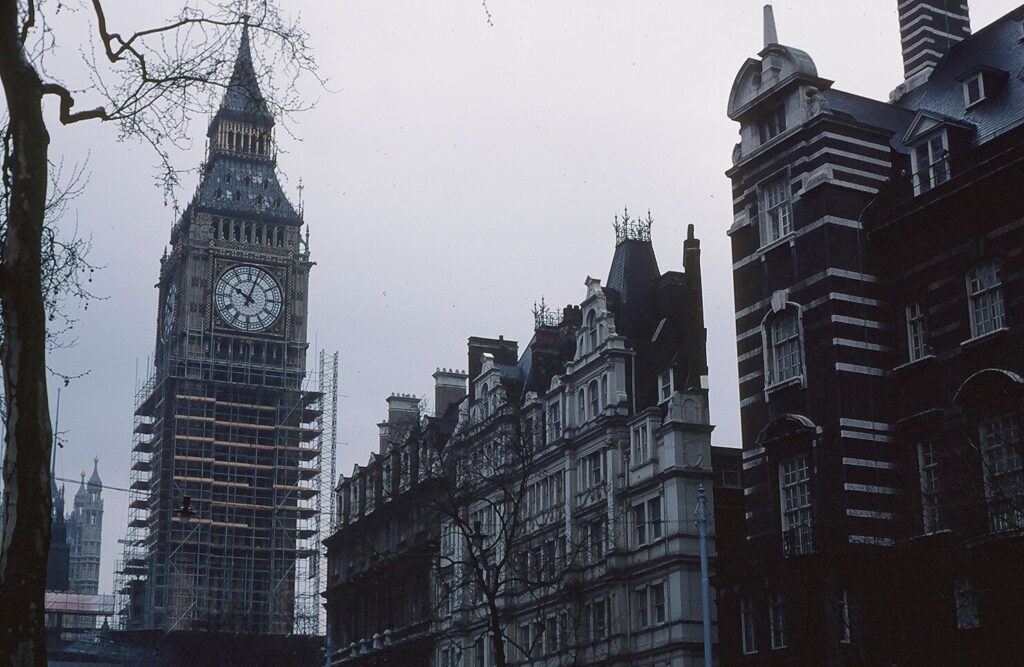
The story of how Big Ben came to be starts in the ashes of the old Palace of Westminster, which was mostly burned down in a terrible fire in 1834. Charles Barry, the architect who won the job to rebuild the Houses of Parliament, imagined a huge clock tower that would stand out in the London skyline. The Astronomer Royal wanted the first stroke of the hour to be accurate to within one second, but the technical requirements for the clock were so strict that they seemed almost impossible at the time. The “Great Clock,” a mechanical wonder that made sure Big Ben was more than just a pretty face, was built under this pressure. It became a symbol of accuracy during the industrial revolution.
Building the tower that holds Big Ben was a huge job that needed the best materials and the best workers of the Victorian era. The tower is 315 feet tall and is made of brickwork covered in sandy-colored Anston limestone from Yorkshire. The clock faces are just as impressive. Each one is 22.5 feet wide and made up of 324 pieces of opal glass. The installation of Big Ben was full of delays and logistical problems because the project was so big, but the end result was a structure that was so strong and harmonious that it has become an important part of British identity and a symbol of stability.
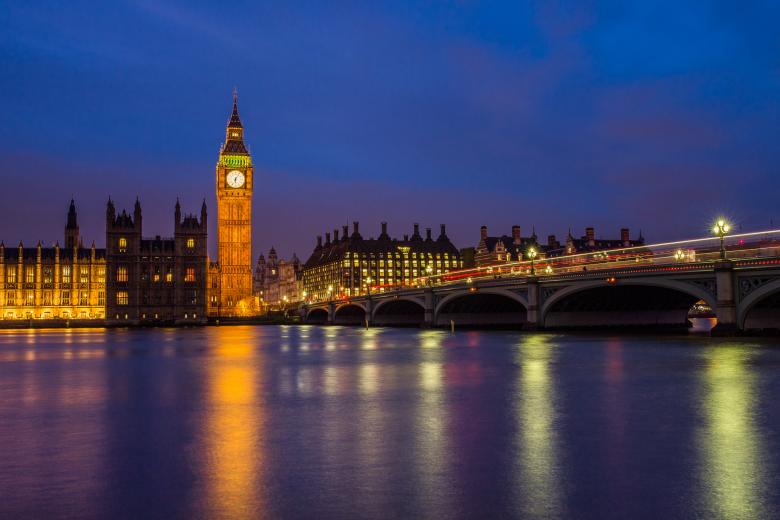
One of London’s most charming historical mysteries is how Big Ben got its name. There are two main theories that compete for the title. The first theory is that the bell was named after Sir Benjamin Hall, the First Commissioner of Works, whose name was carved into the original bell. The second theory points to Benjamin Caunt, a well-known heavyweight boxing champion from the 1850s who was given the nickname that the huge 13.7-ton instrument is known by. The name Big Ben caught the public’s imagination so much that it eventually overshadowed the tower’s official names, showing that the bell’s personality was as loud as its thunderous hourly chime.
There were some problems and drama during the casting of the Great Bell for Big Ben. The first bell, which was made in Stockton-on-Tees, broke during a test in 1857 and had to be taken apart and recast at the Whitechapel Bell Foundry. The second bell, which is now in the tower, also got a small crack soon after it started ringing in 1859. Engineers didn’t want to replace the bell again, so they just turned it a quarter turn so the hammer hit a different spot. They also cut a small square into the crack to stop it from spreading. This small problem is what gives Big Ben its unique, slightly out-of-tune E-natural note that makes its sound instantly recognizable around the world.
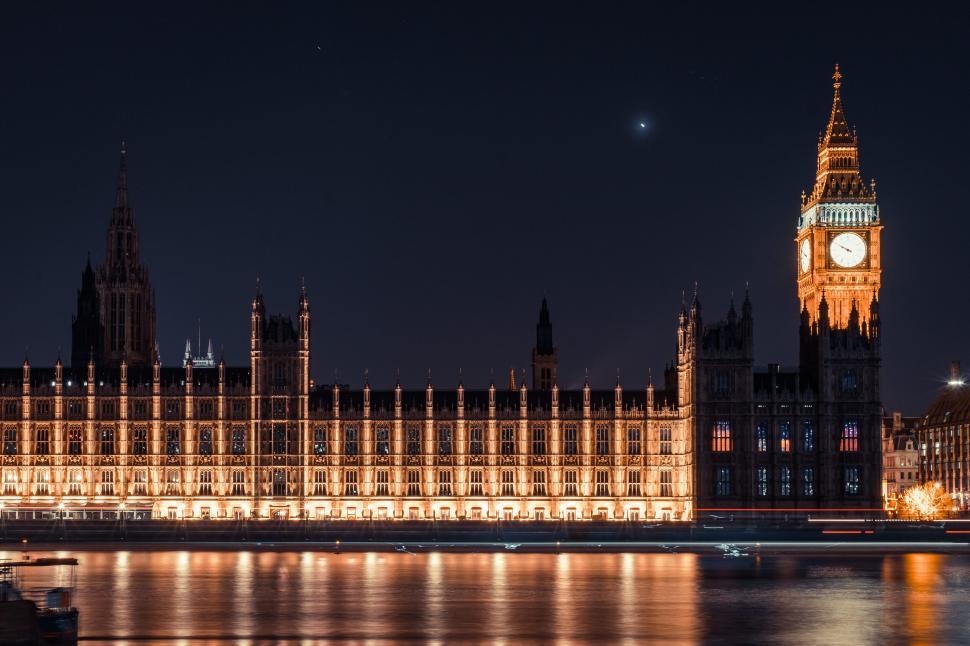
During the dark days of World War II, Big Ben’s voice was a mental lifeline for the British people and the people of Europe who were under Nazi rule. Even though the Blitz damaged the clock faces and the top of the tower with German bombs, the bell kept ringing with stubborn defiance. The BBC started broadcasting Big Ben’s strikes live to show that the heart of the UK was still beating. This turned the clock into a worldwide symbol of freedom and resistance to tyranny. Even though the glass in the clock dials broke, the tower’s mechanical heart kept beating, showing that Big Ben was both a clock and a warrior.
A group of horologists known as the Keepers of the Great Clock is responsible for keeping Big Ben in good shape. One of the most well-known oddities about the clock’s regulation is that old British pennies are used to change the speed of the pendulum. For more than 160 years, adding or taking away a single penny has been a simple way to change the clock’s speed by two-fifths of a second per day. This mix of Victorian engineering and simple creativity makes sure that Big Ben is still one of the most accurate mechanical clocks in the world, even though digital and atomic clocks are now the most common.
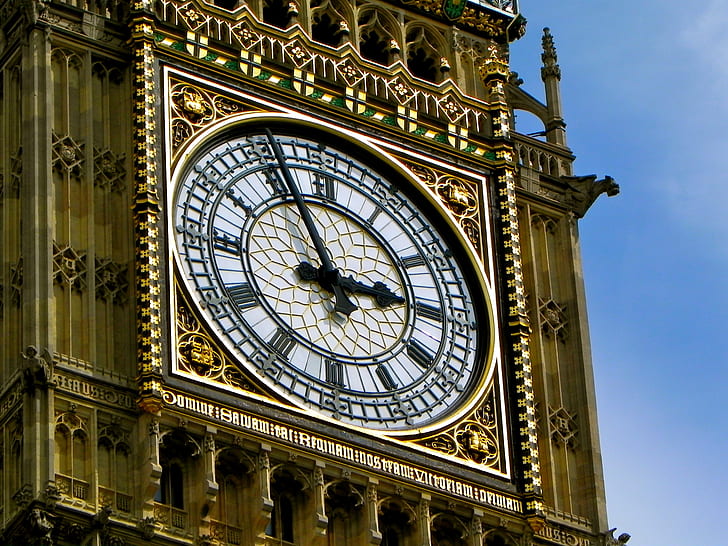
The world recently saw Big Ben go through the biggest conservation project in its history, which took four years. From 2017 to 2021, scaffolding covered the tower while experts fixed the stonework, restored the detailed ironwork, and painted the clock hands back to their original Prussian blue color. During this time, the Great Bell was silent except for big national events like New Year’s Eve and Remembrance Sunday. Many Londoners found this silence to be very eerie. The full chimes of Big Ben came back, marking the end of a multi-million-pound project to make sure the tower lasts for another hundred years by combining modern safety standards with historical accuracy.
Big Ben has had a big effect on culture all over the world. It has been in many movies, books, and works of art. The tower’s silhouette tells the viewer exactly where they are and what the stakes are, from the dramatic climaxes of spy thrillers to the establishing shots of romantic comedies. Many people who visit London see the lit-up dials of Big Ben at night as a rite of passage. It makes them feel connected to the millions of people who have stood in that same spot since 1859. It is a landmark that serves as both a neighborhood clock and a symbol of parliamentary democracy around the world.